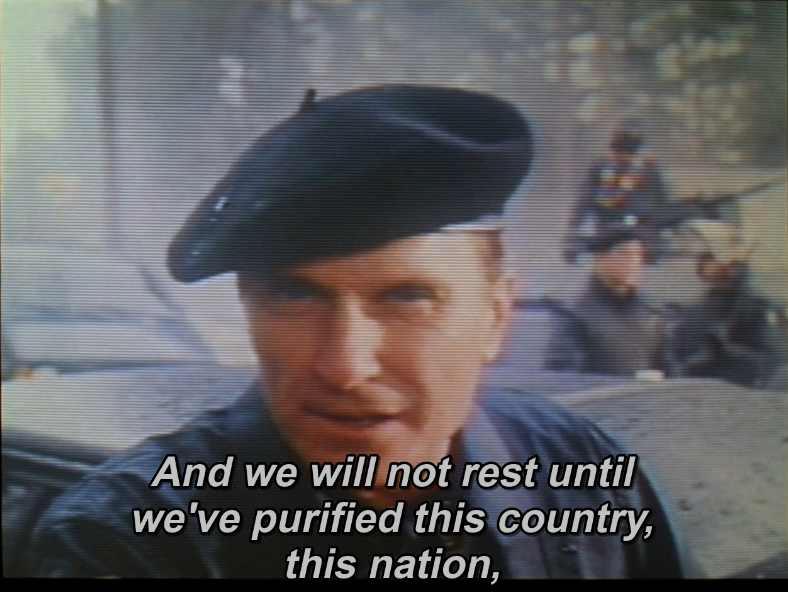
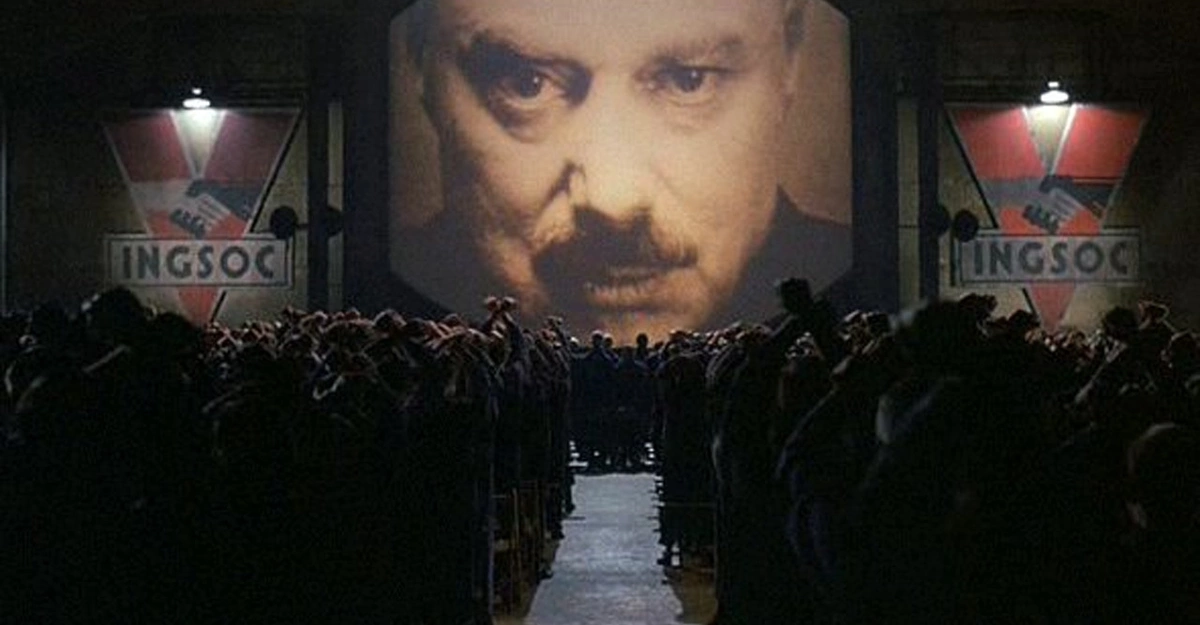
governmental control
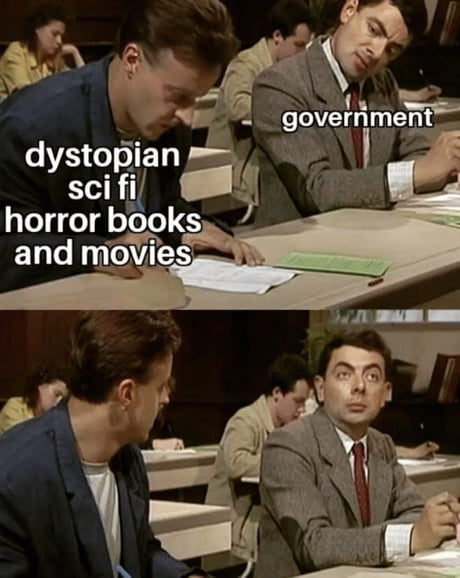
... dystopian texts are really about the fundamental relationship between masses of individuals treated as masses and the governmental institutions who rule them–a question of biopolitics, actually.  
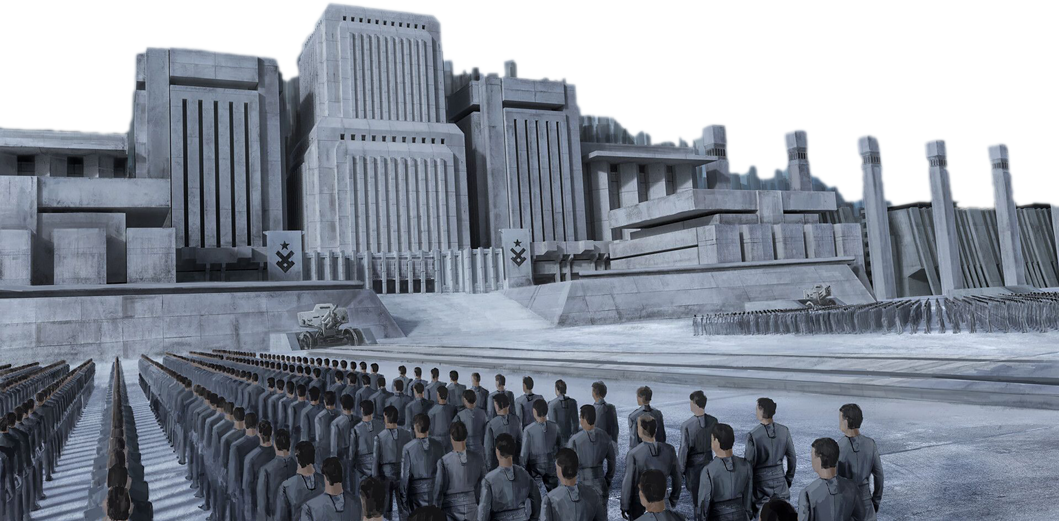
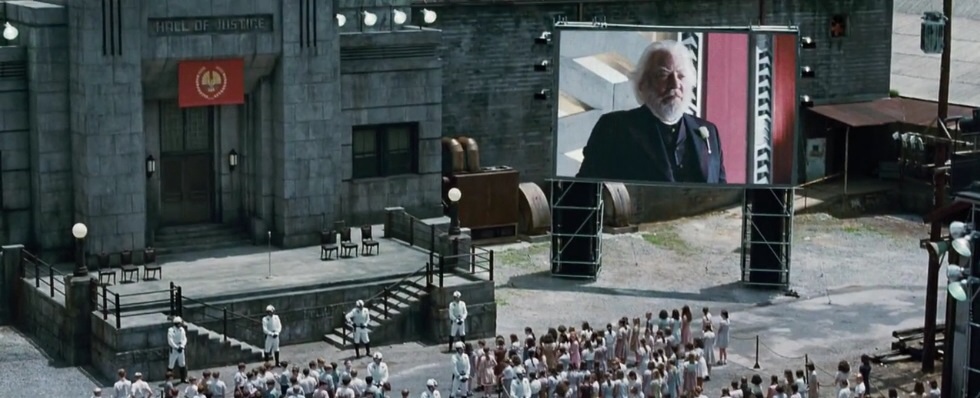
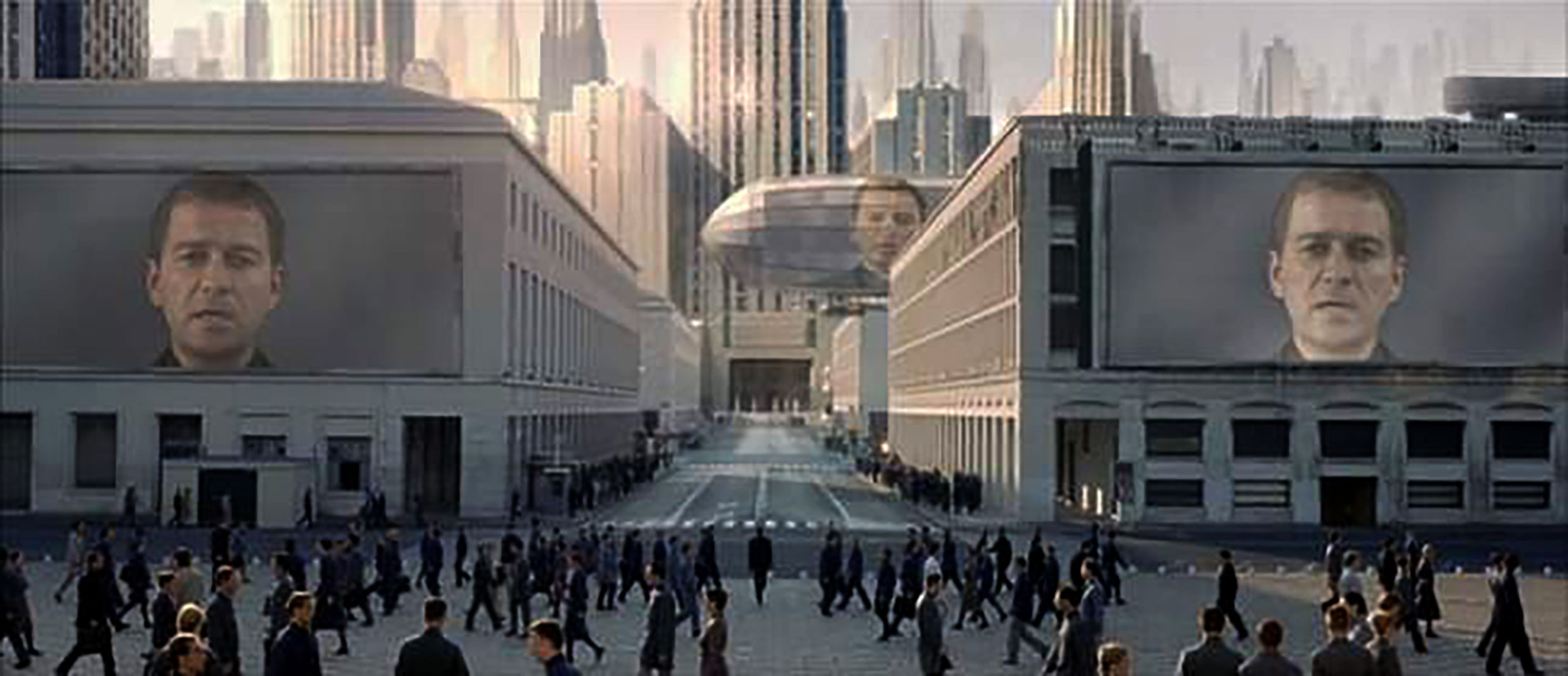
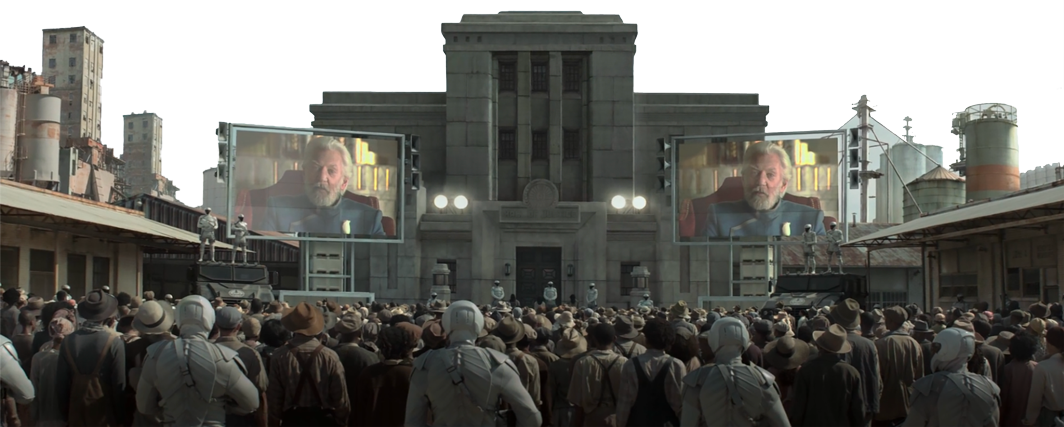
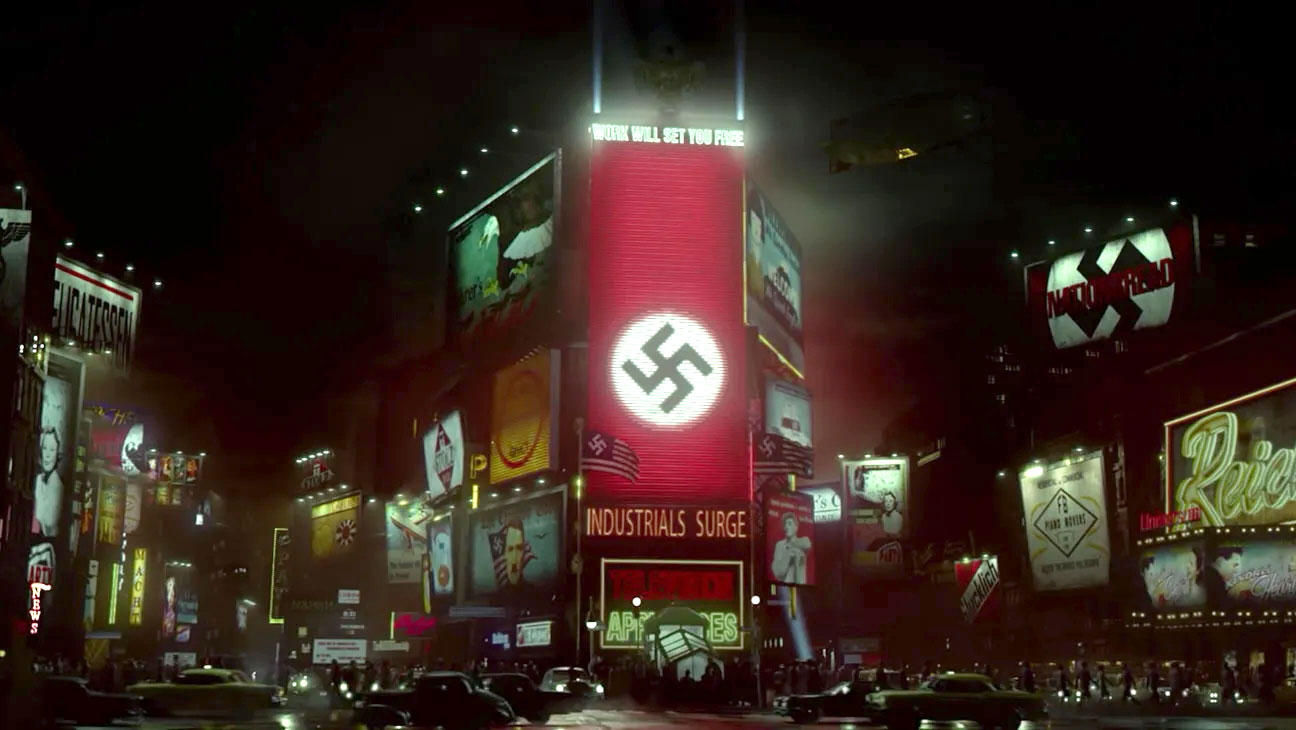
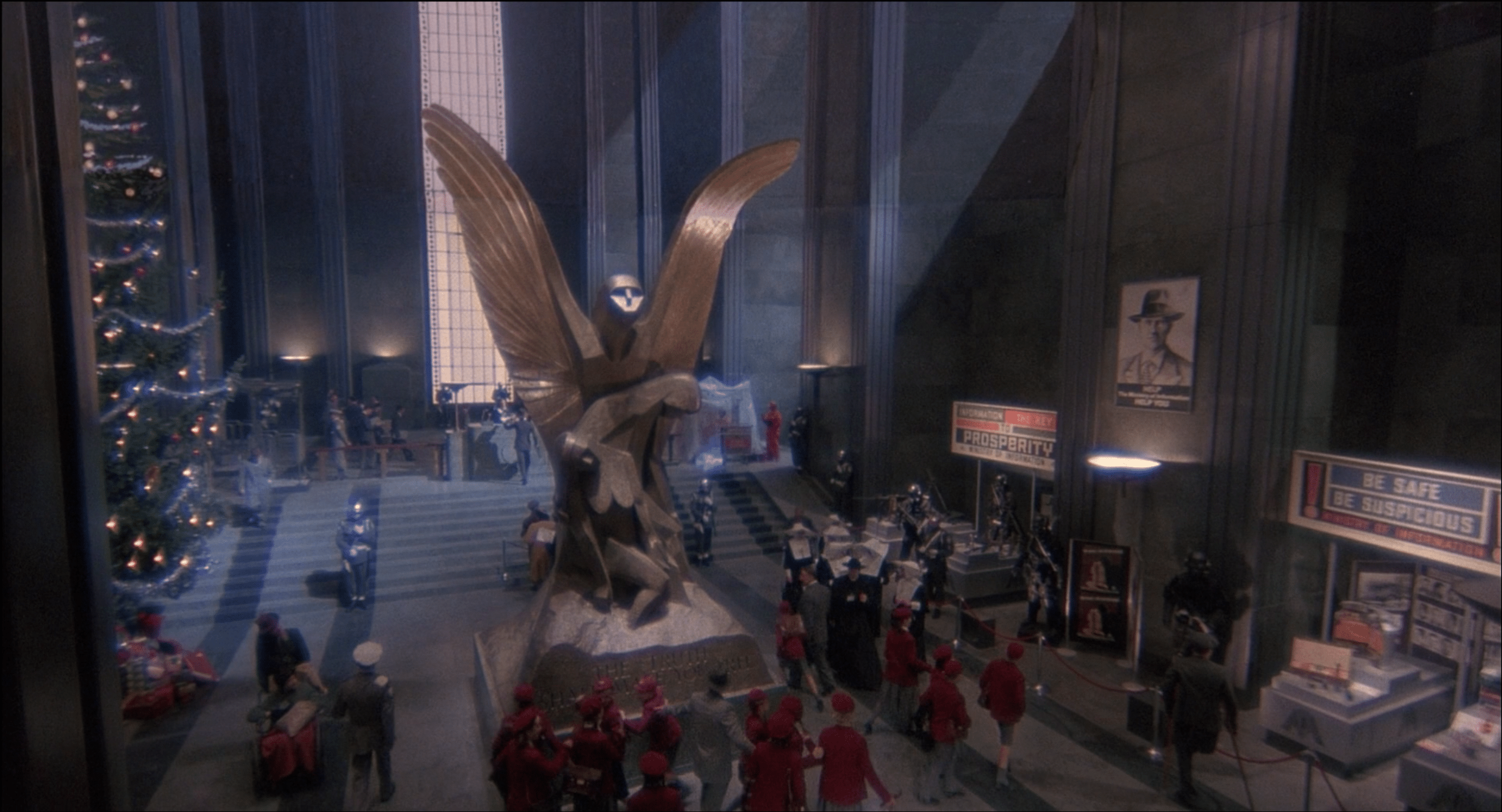
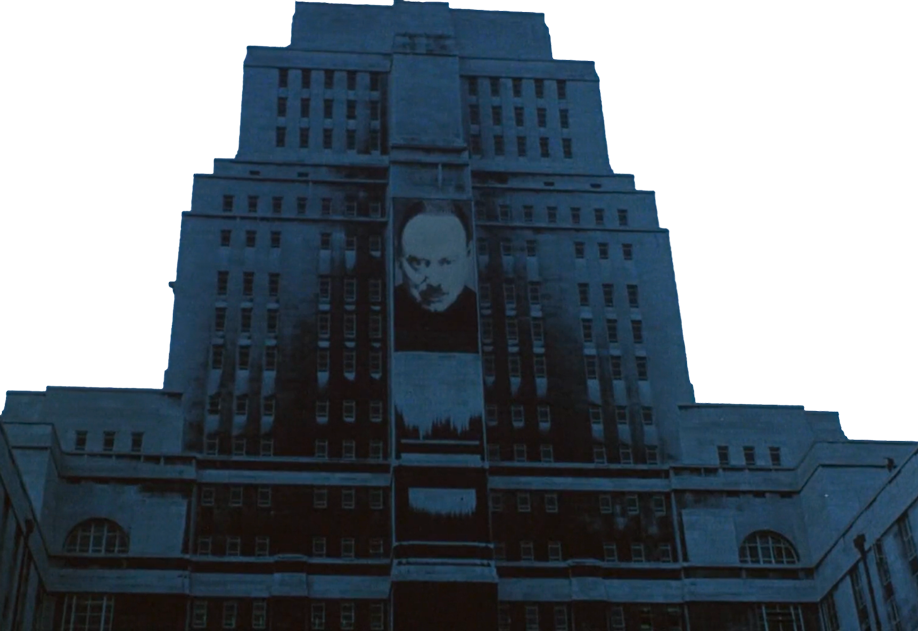
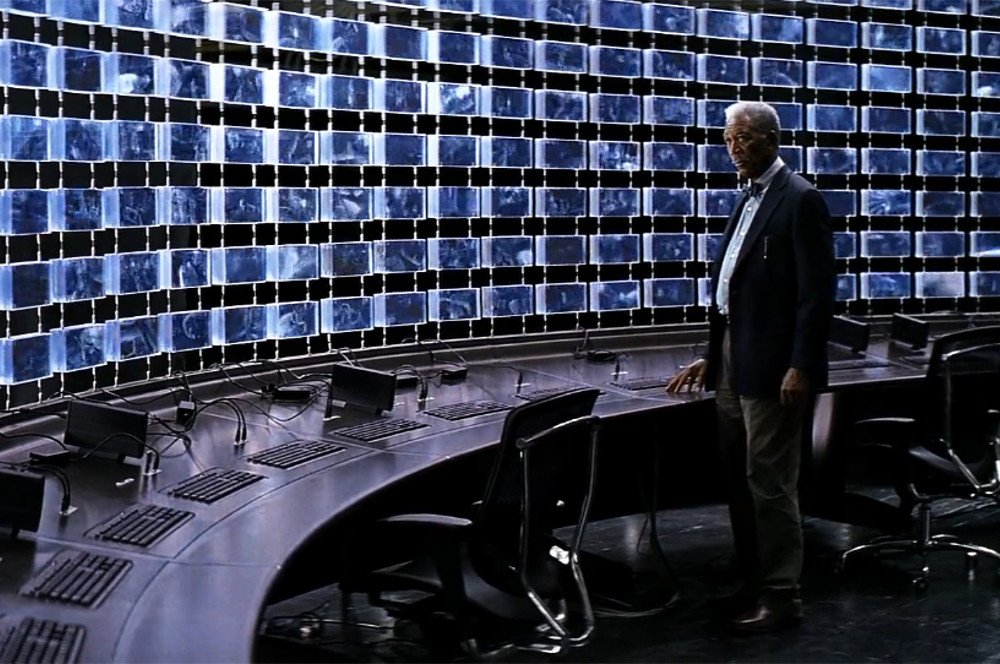
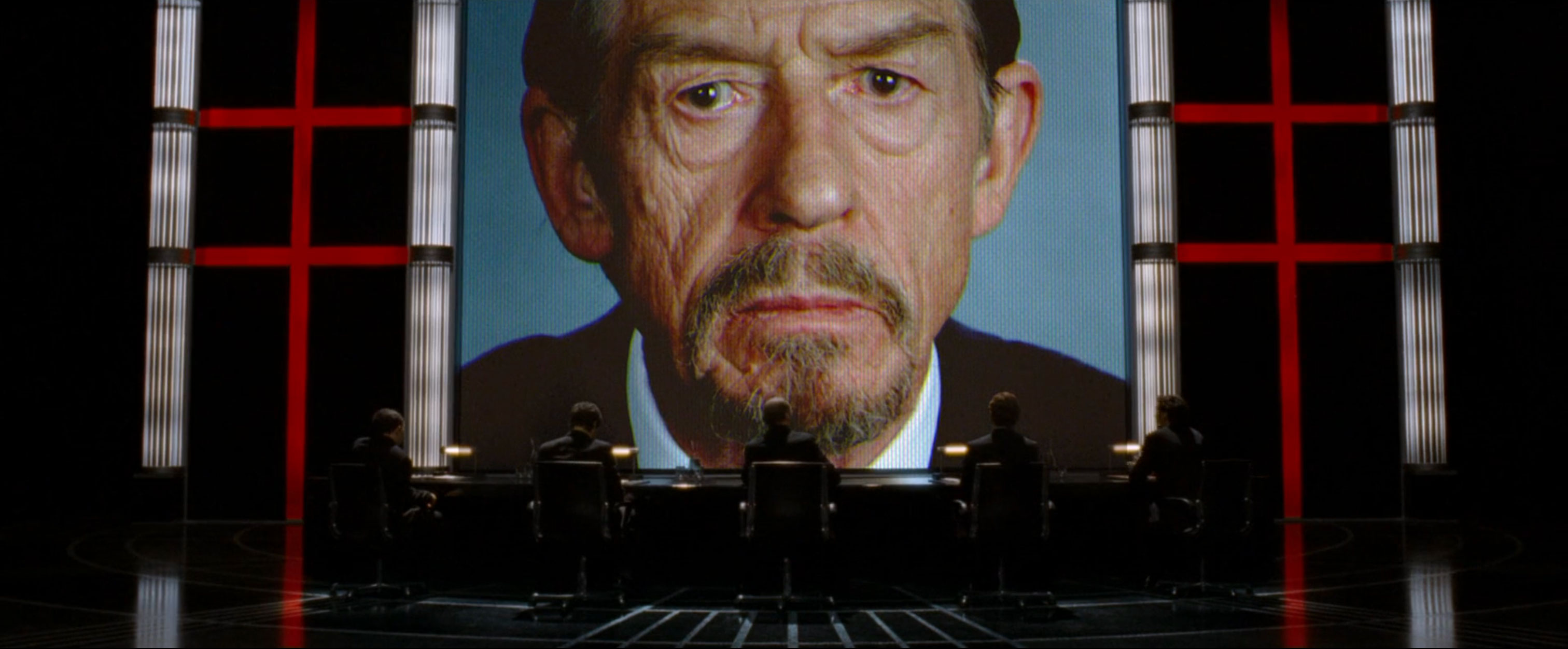
The public squares are dominated by huge screens that telegraph propaganda
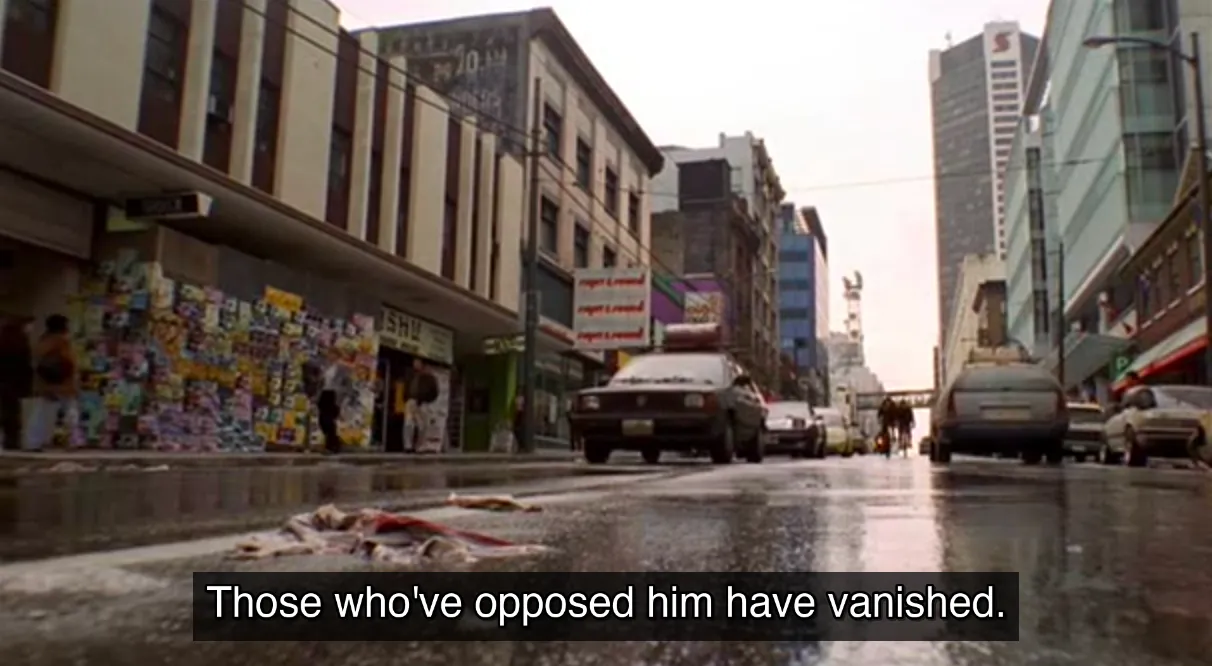
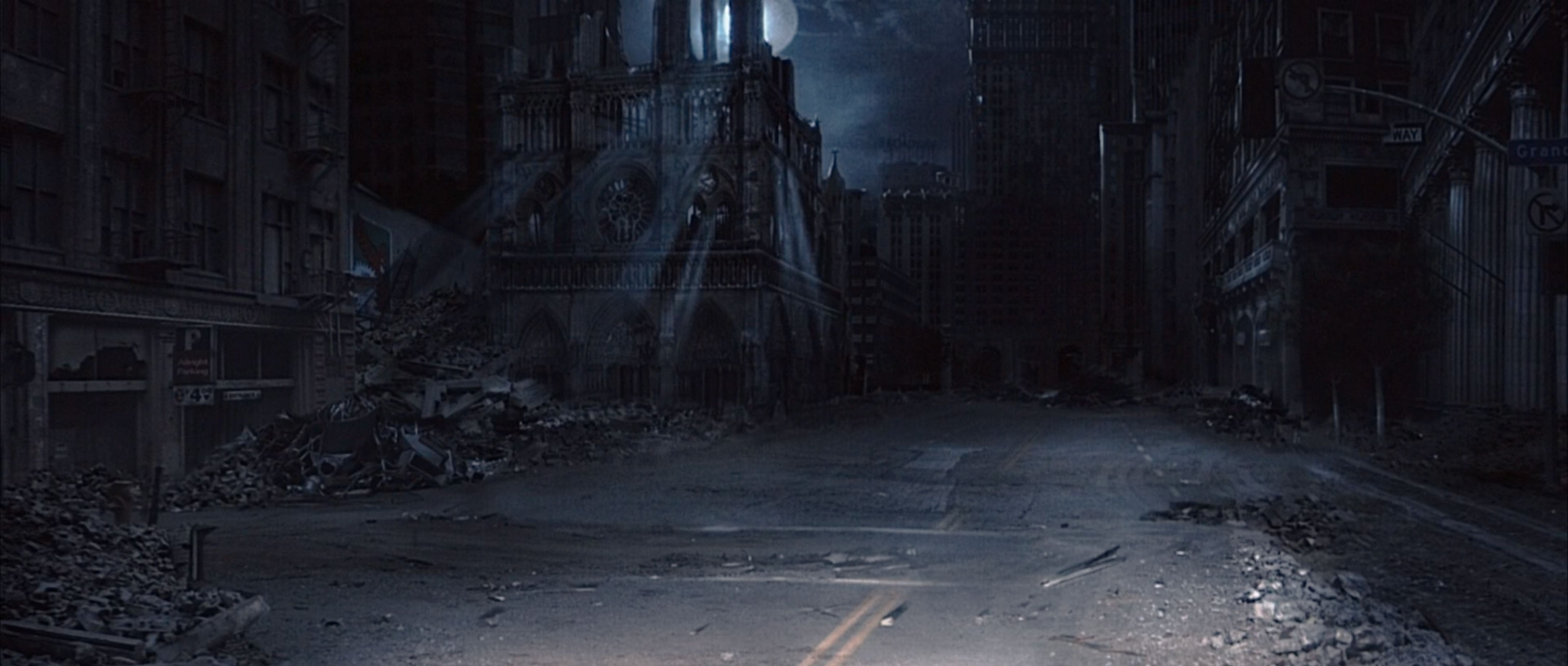
Urban Hell
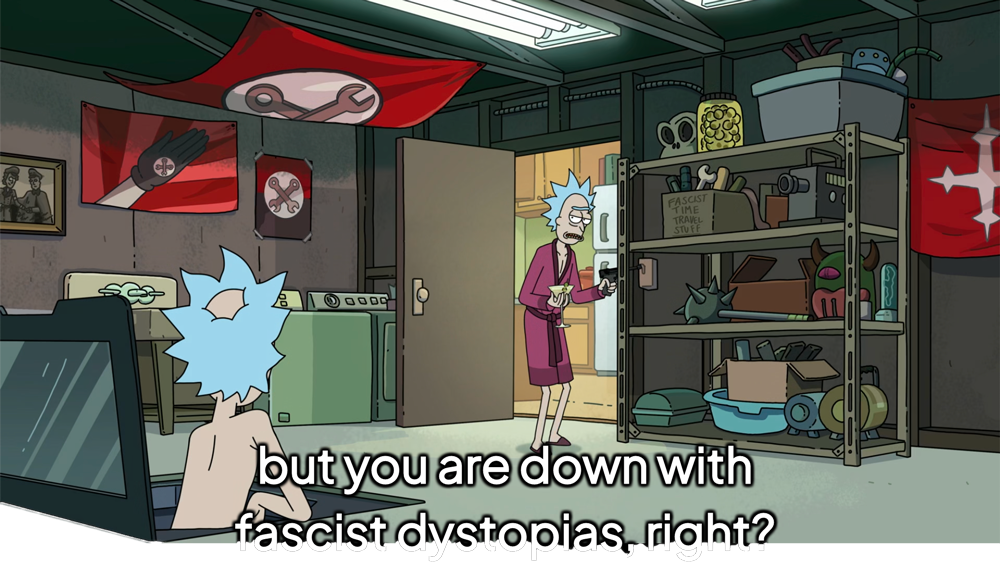
Is Everything Fascist?
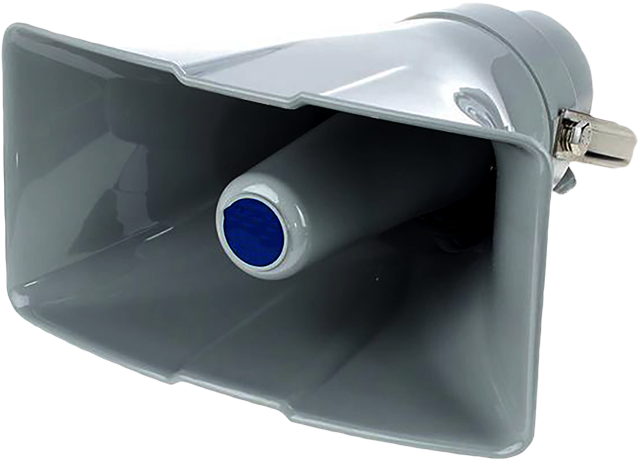
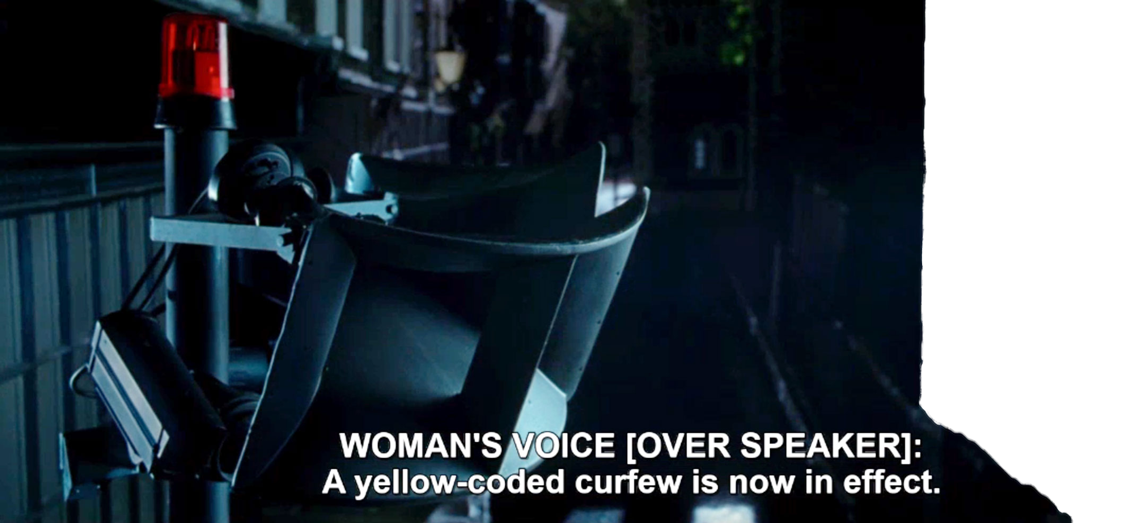
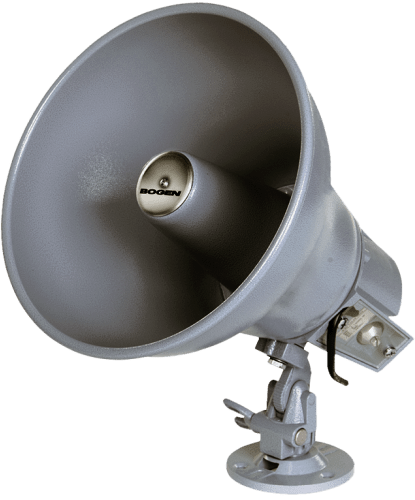
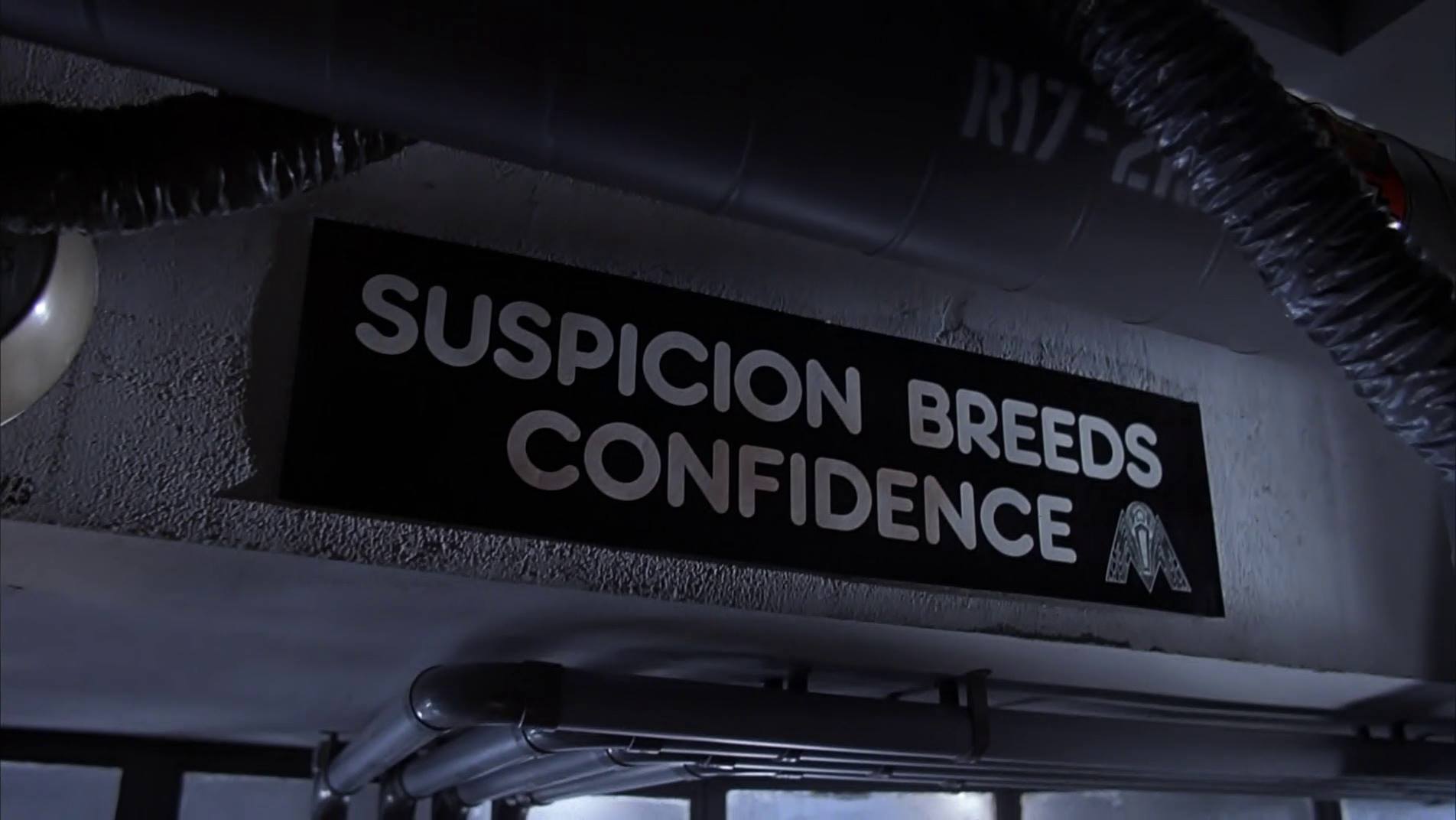
Public address system
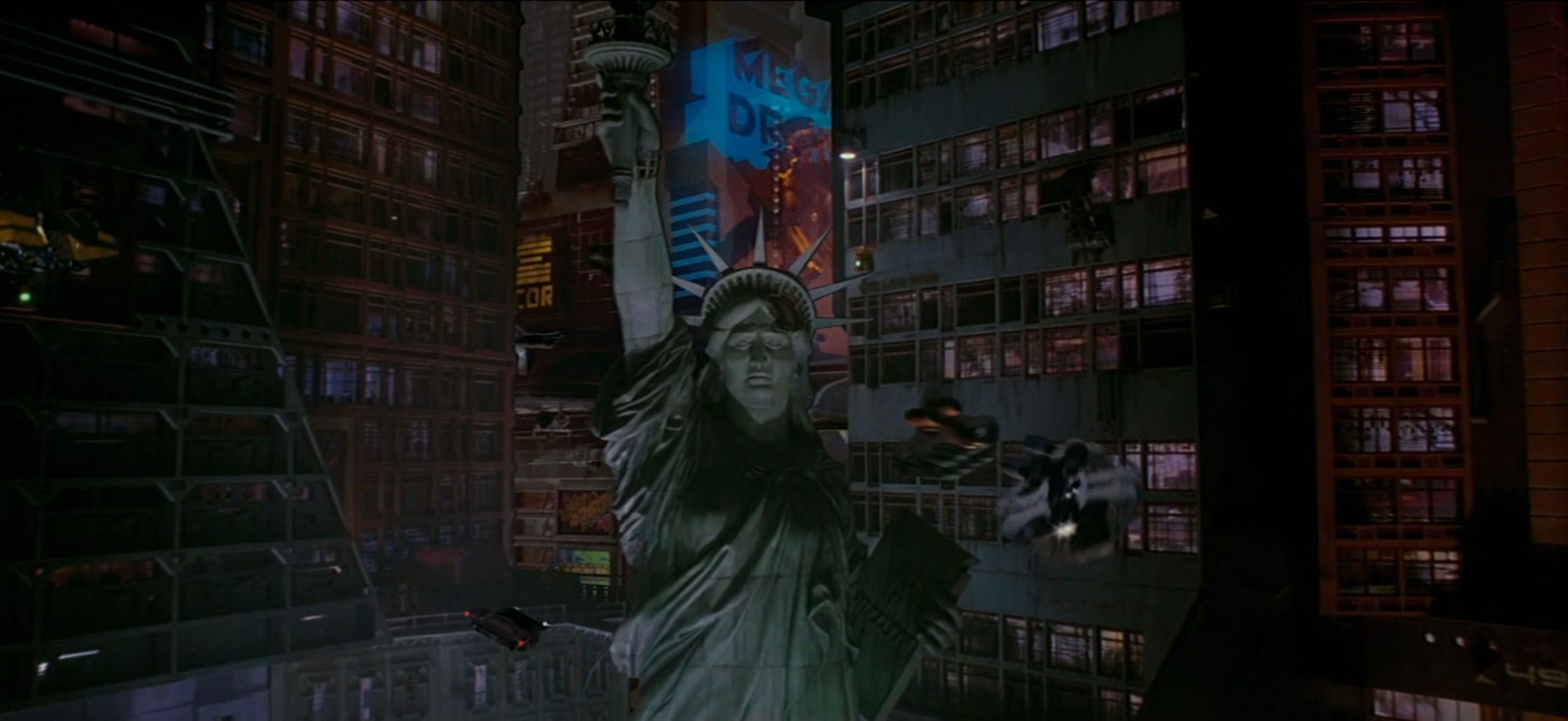
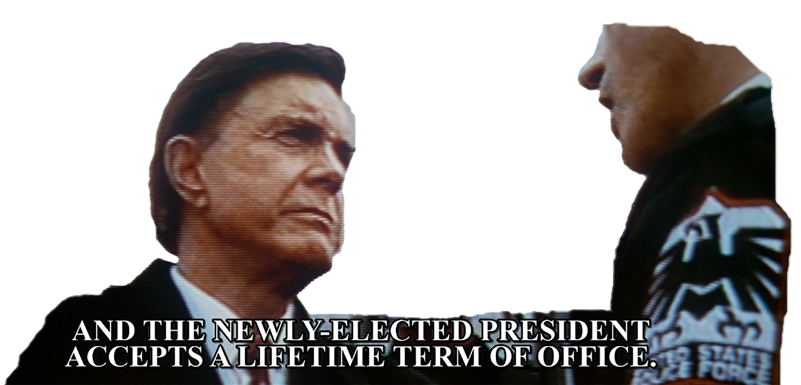
Total Recall is a movie about a totalitarian government that’s colonized another planet so it can charge ordinary people to breathe.

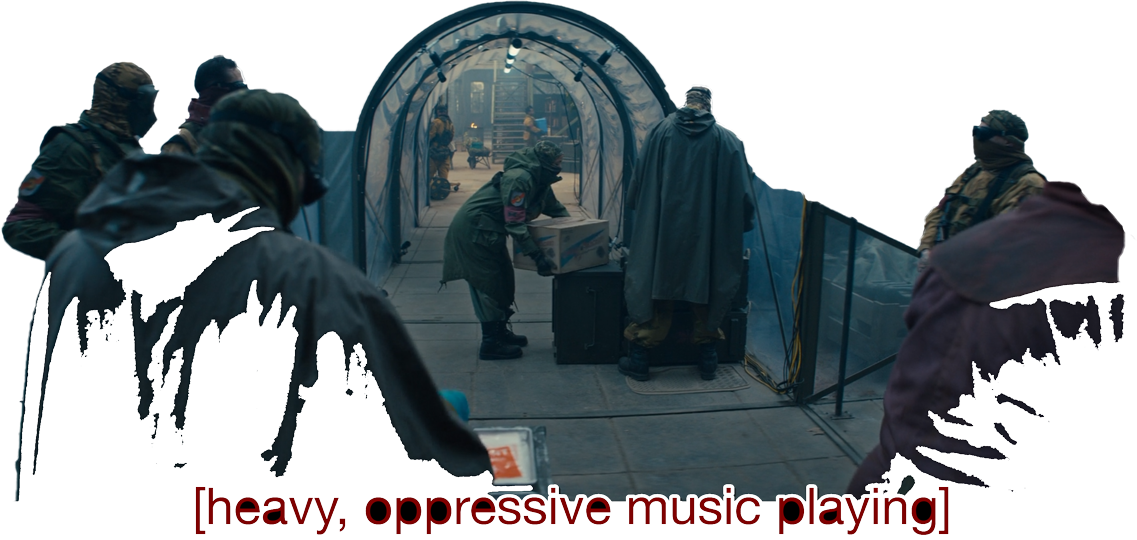
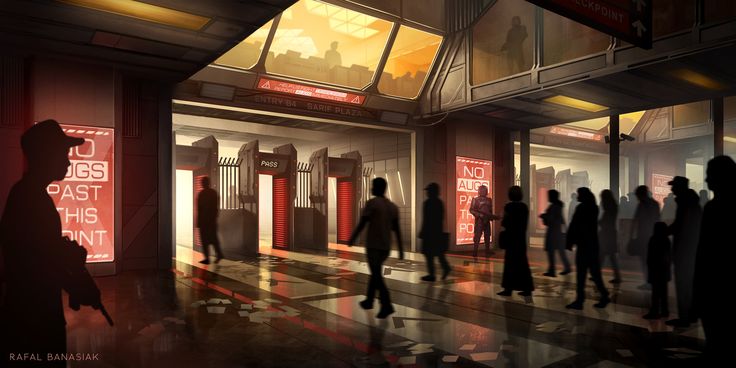
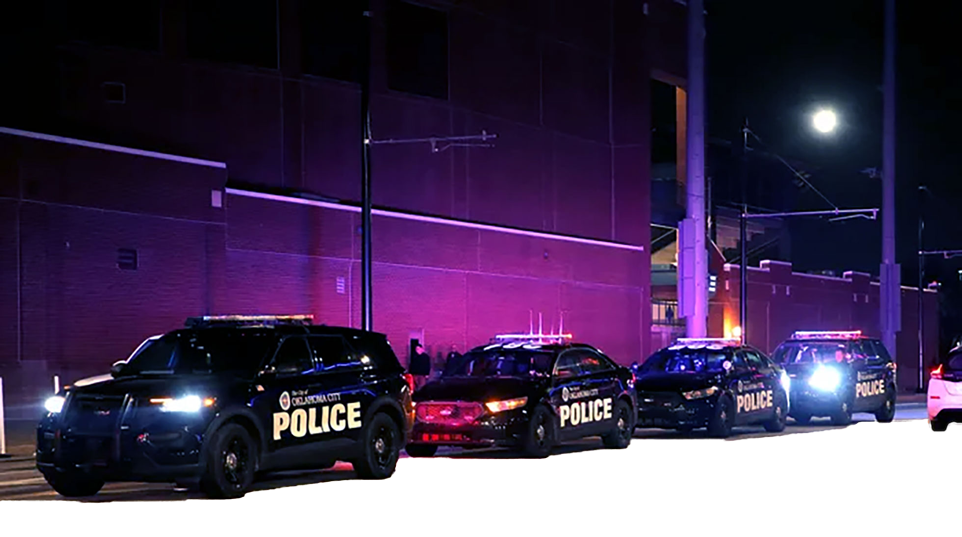
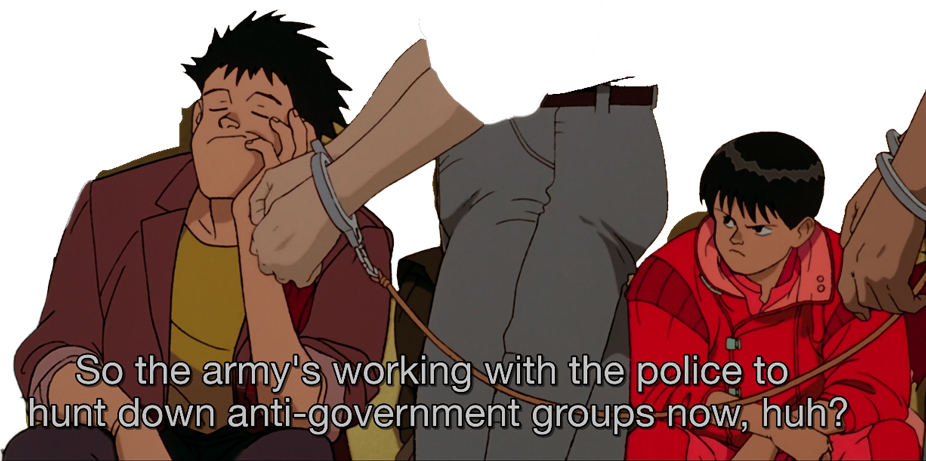
Over-Policing Of The Poor And Disenfranchised
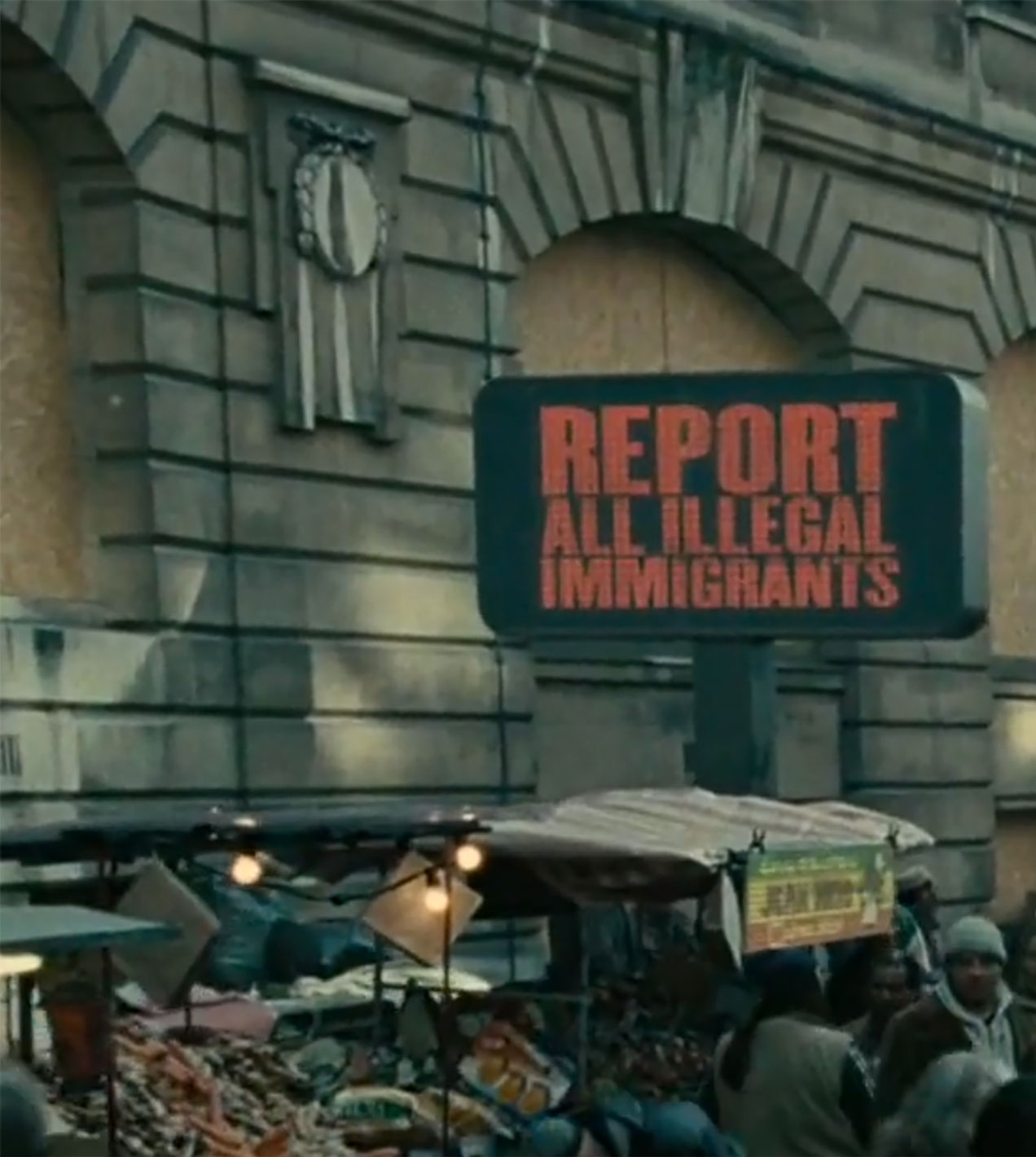
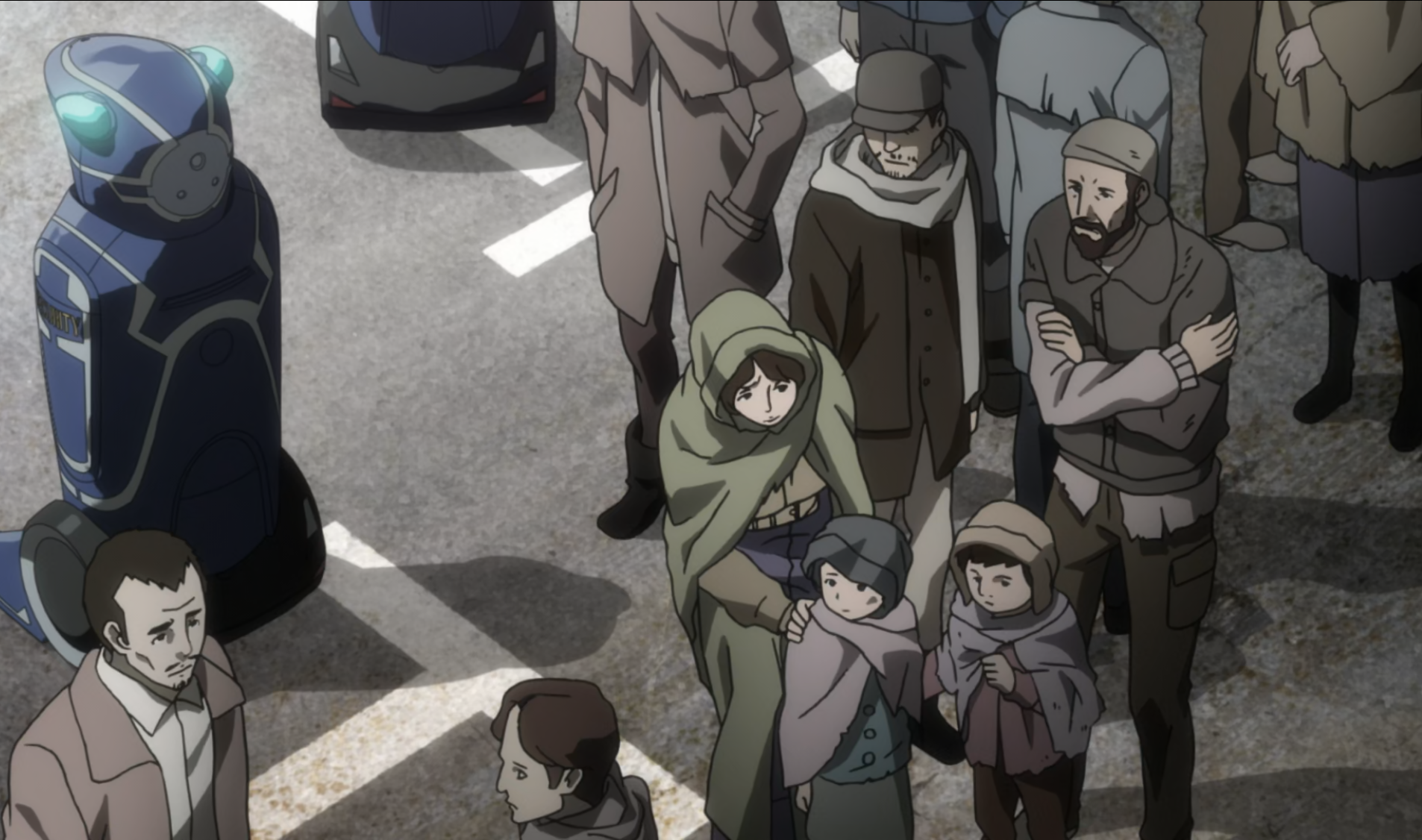
5 dystopian films on migration that are shockingly real now
Is a Social Credit System Good for Women?
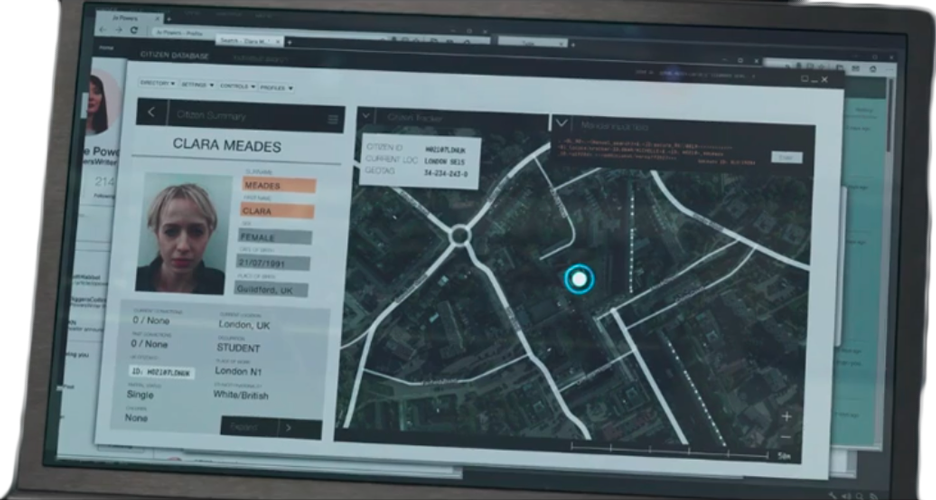
... social credit system. Such a system works by rigorously monitoring speech and behavior, with those who conform to the party line rewarded and dissenters punished. The former are systematically granted, and the latter denied, access to top jobs, prime housing, easy credit, and freedom to travel.
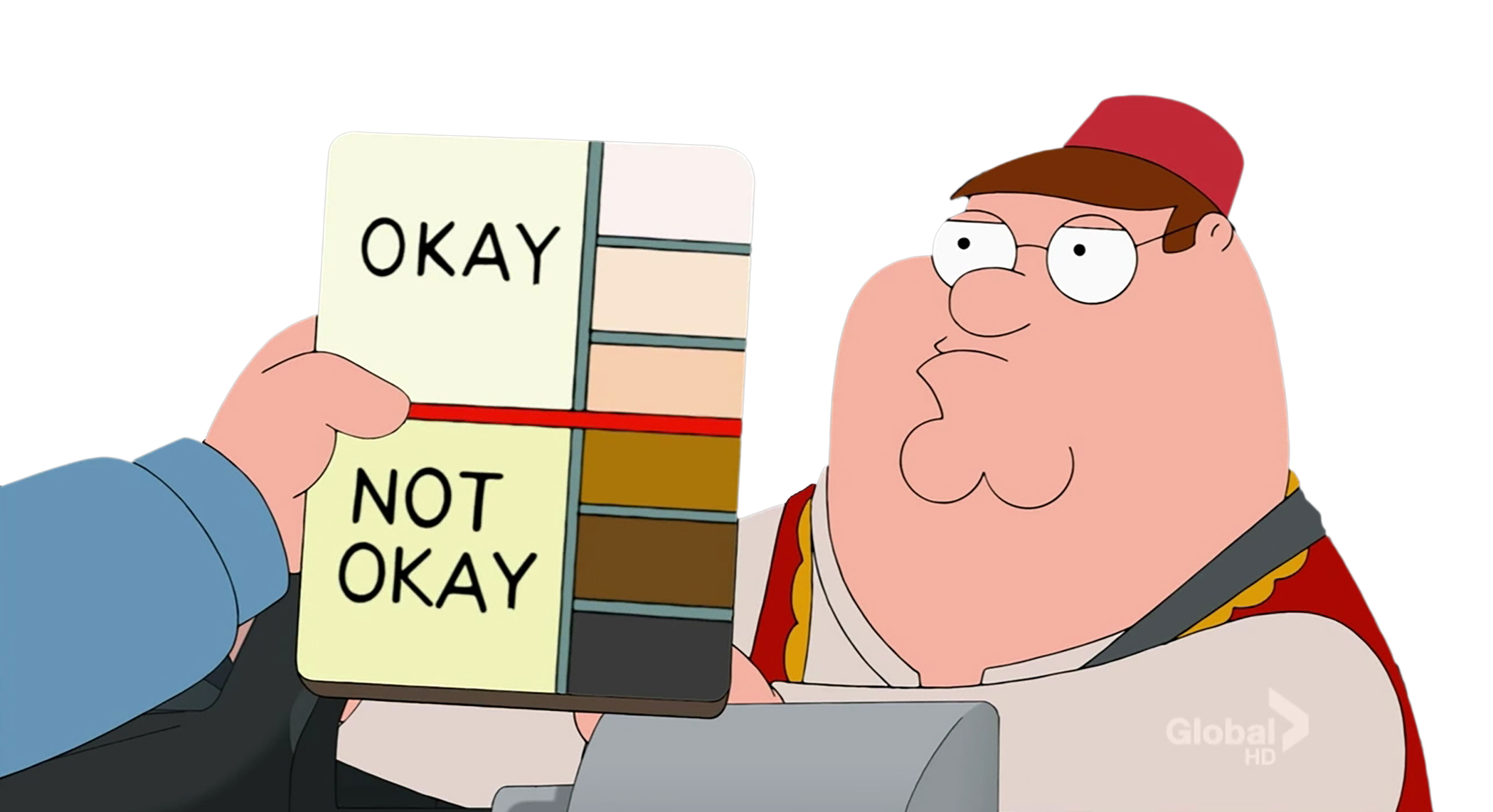
A society with such a system would be strictly divided into good citizens and bad. Play along and you thrive; violate official expectations and you get blacklisted, moved to the back of every line, and even excluded altogether from a range of social privileges.
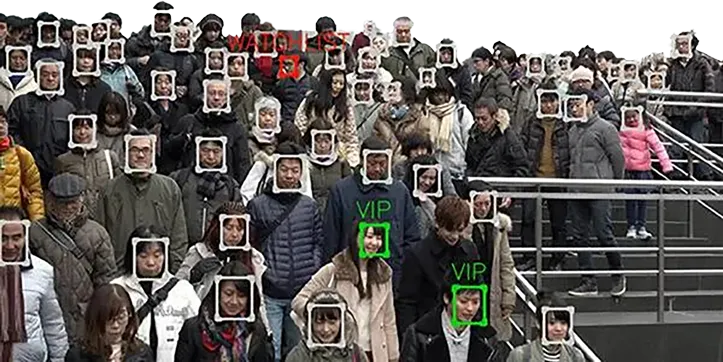
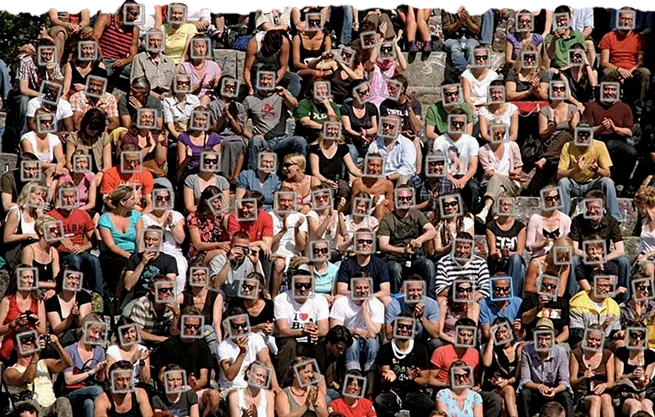
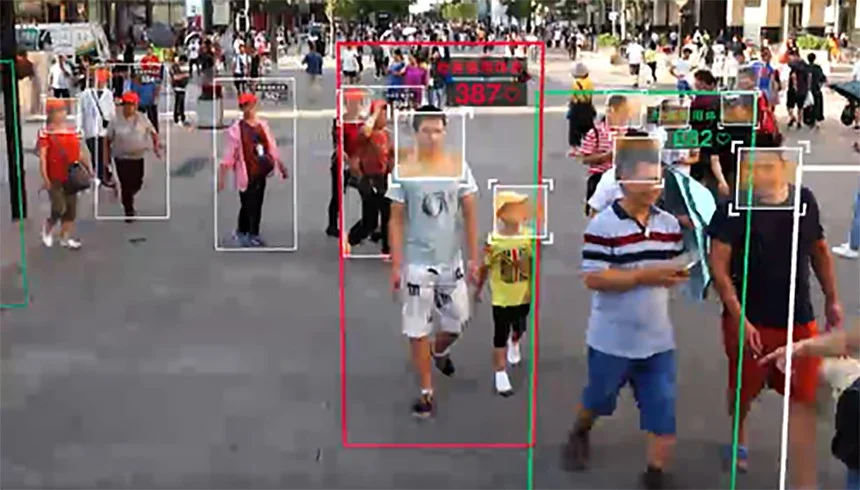
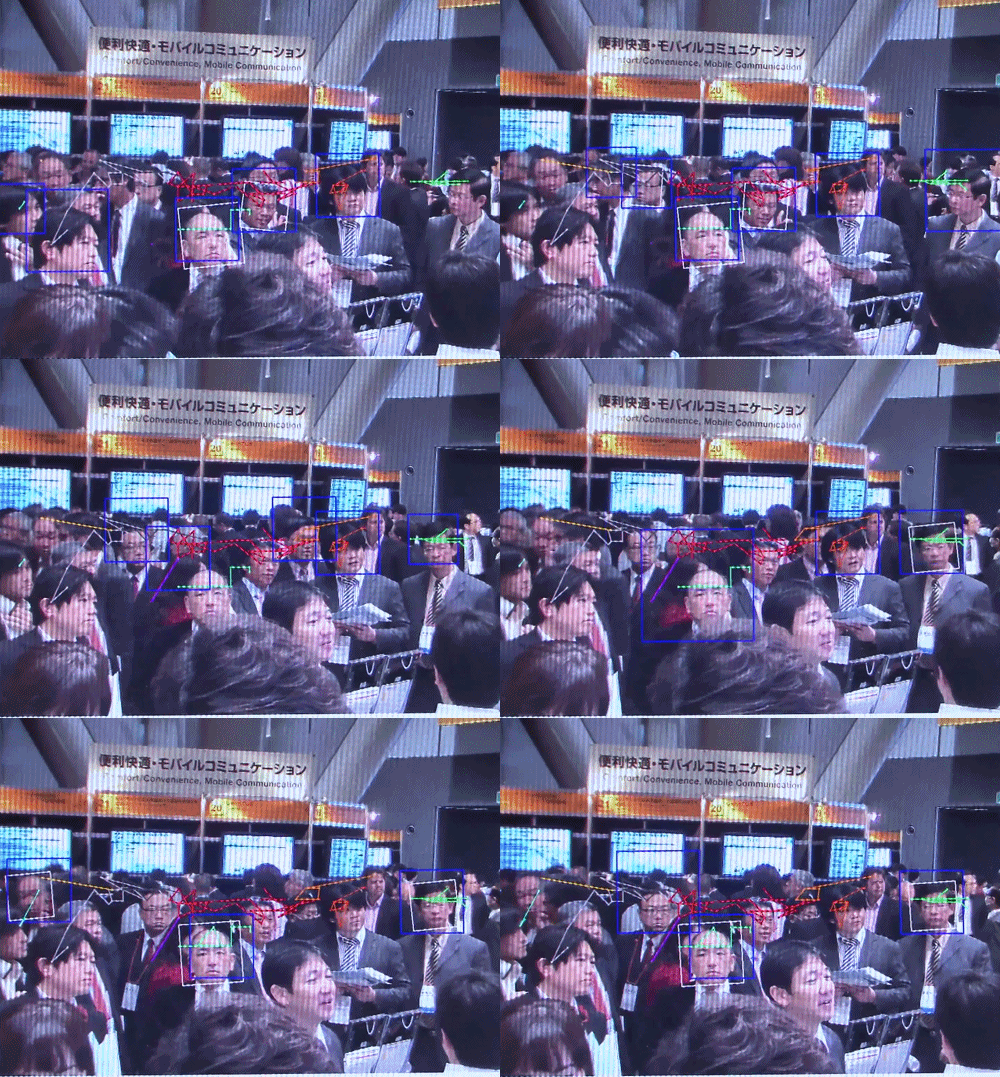
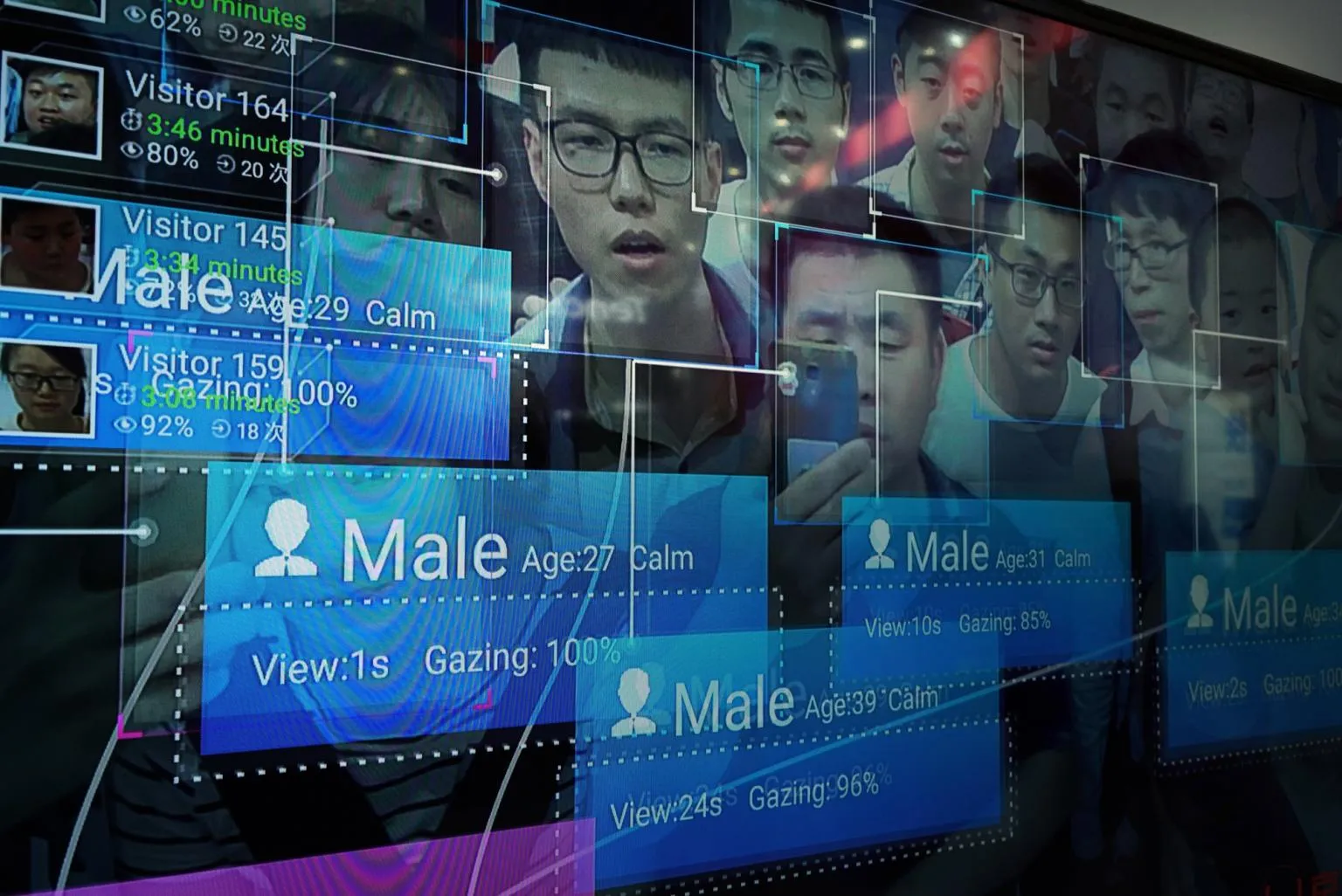
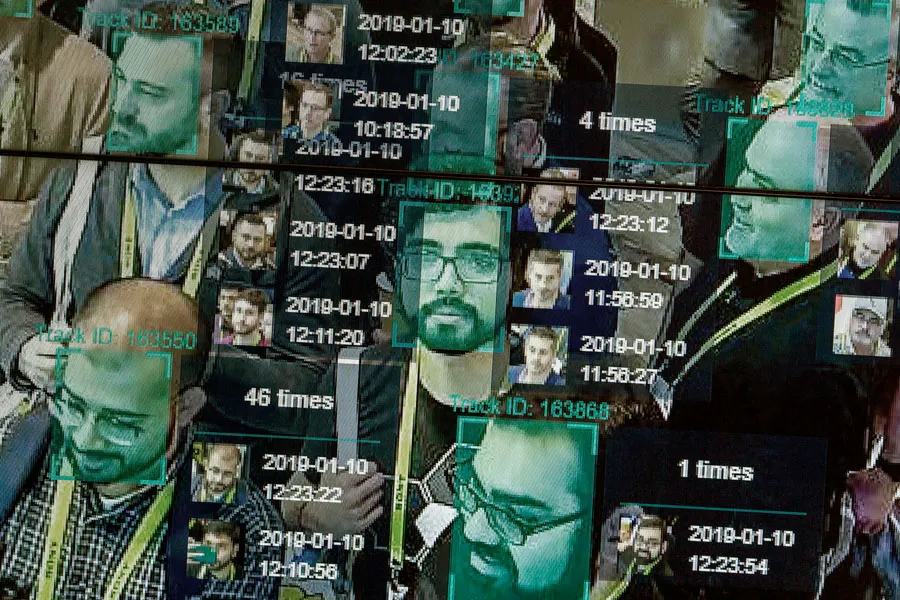
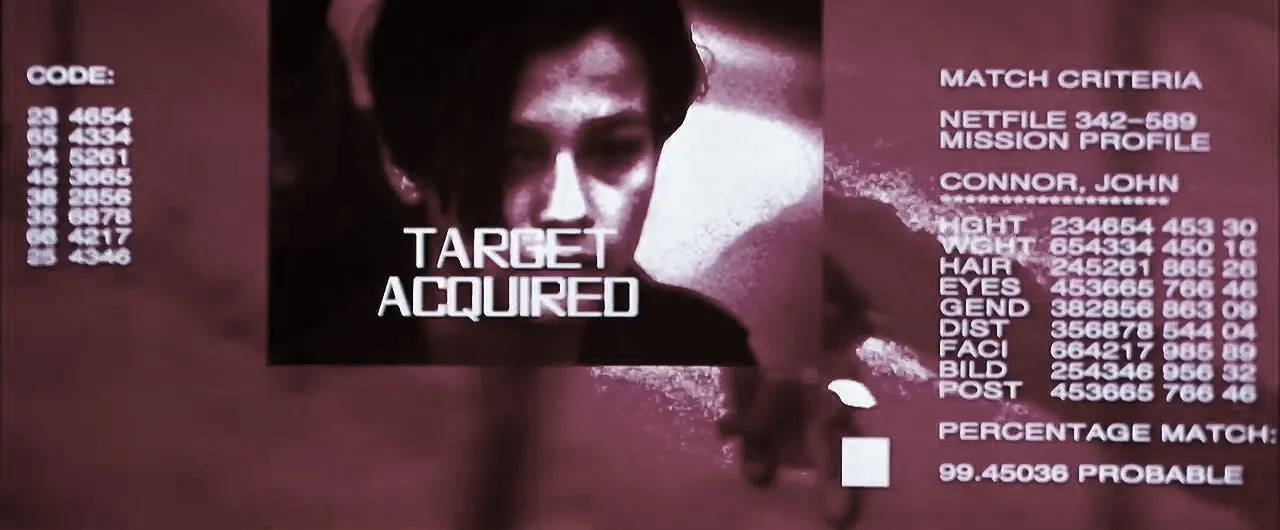
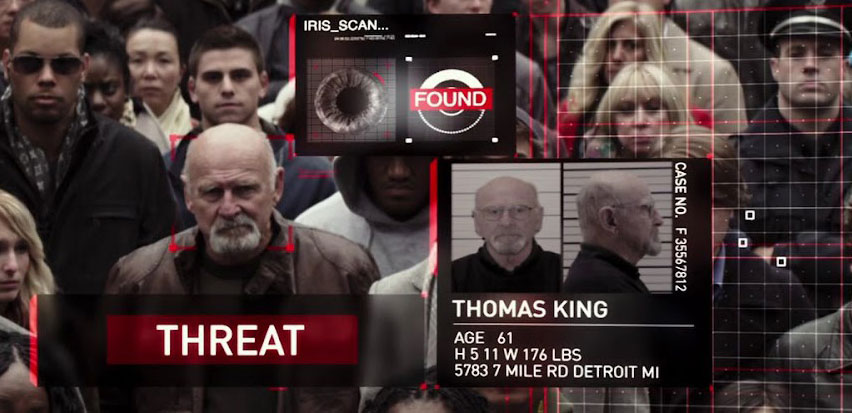
Most patents for facial recognition these days aren’t actually about identifying individuals or creating security systems, they’re about using facial recognition to classify people: letting AI use faces to decide who’s a good hire and who isn’t, who’s a criminal and who isn’t.
But instead of worrying about our lives being governed by deadly accurate machines, maybe we should be more worried about the alternative dystopia where these systems are wrong all the time, but we continue to put faith in them.
China's social credit system has been compared to Black Mirror, Big Brother and every other dystopian future sci-fi writers can think up. The reality is more complicated — and in some ways, worse.
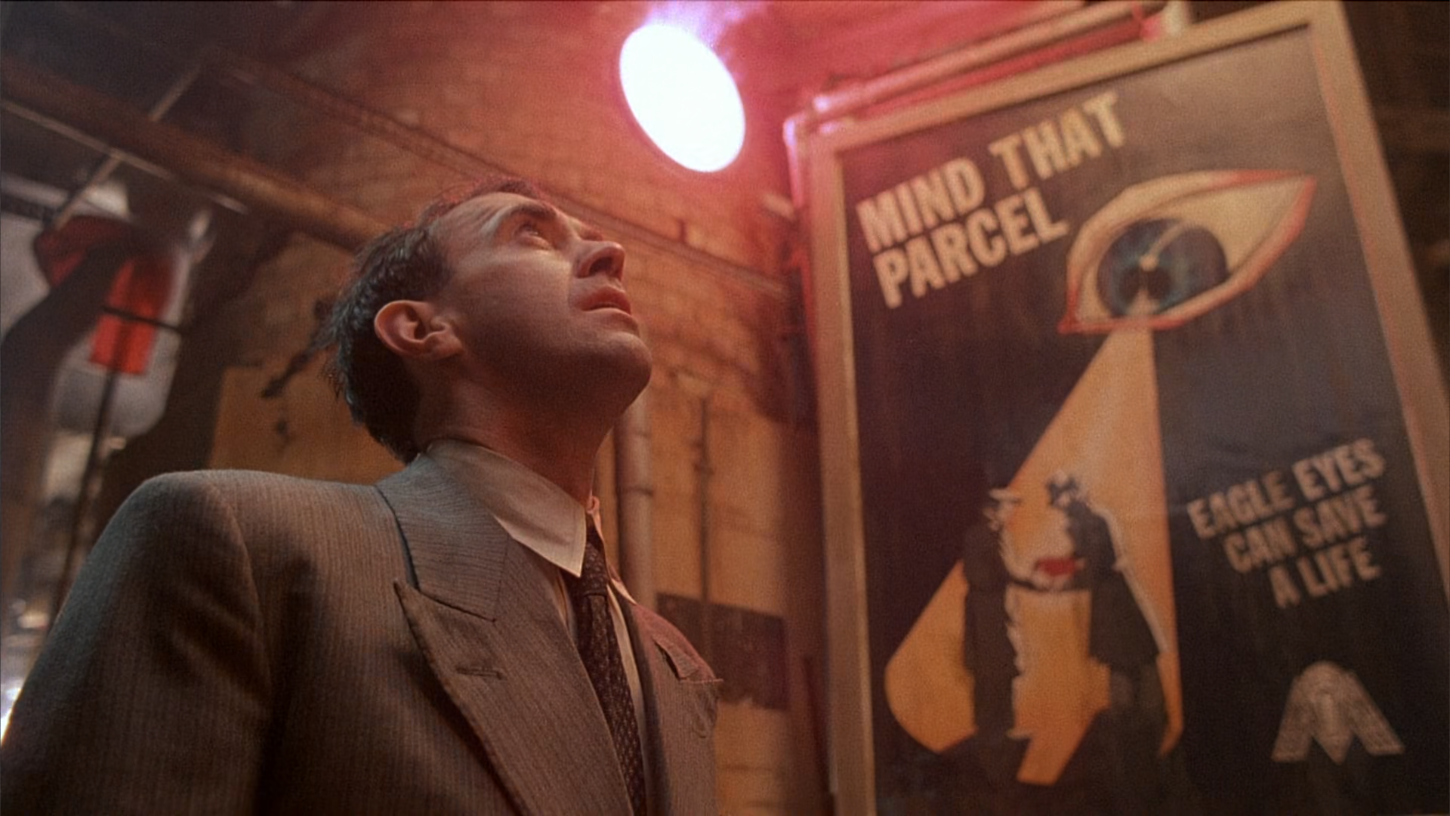
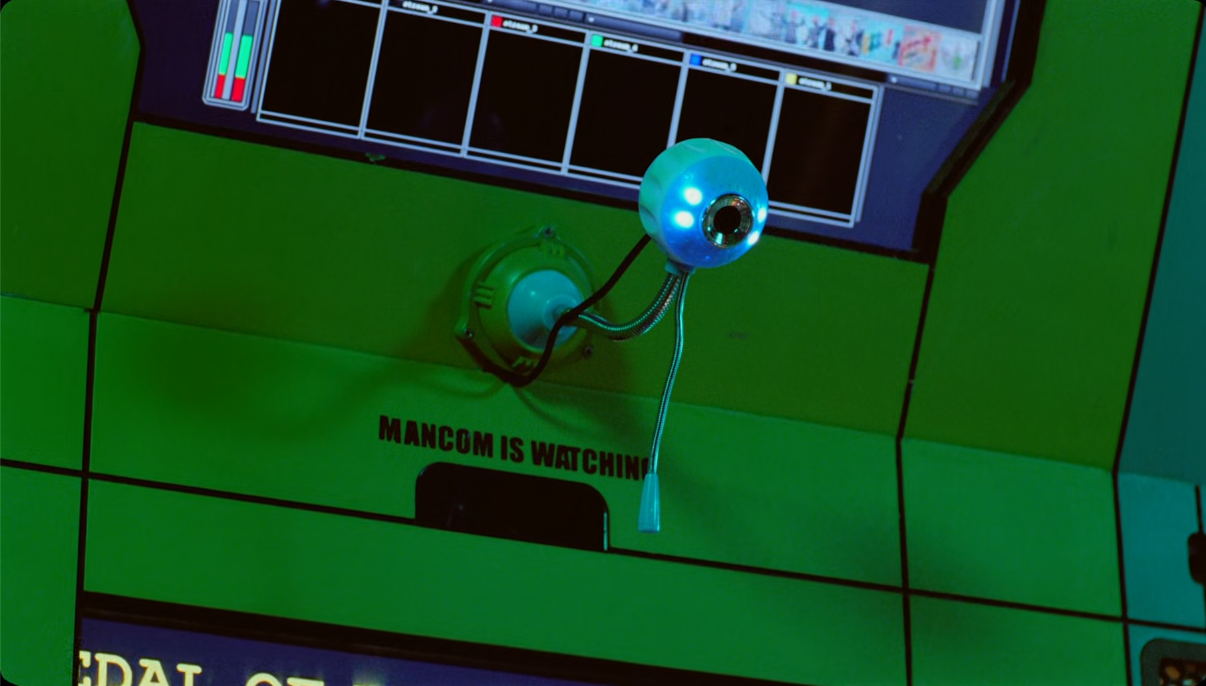
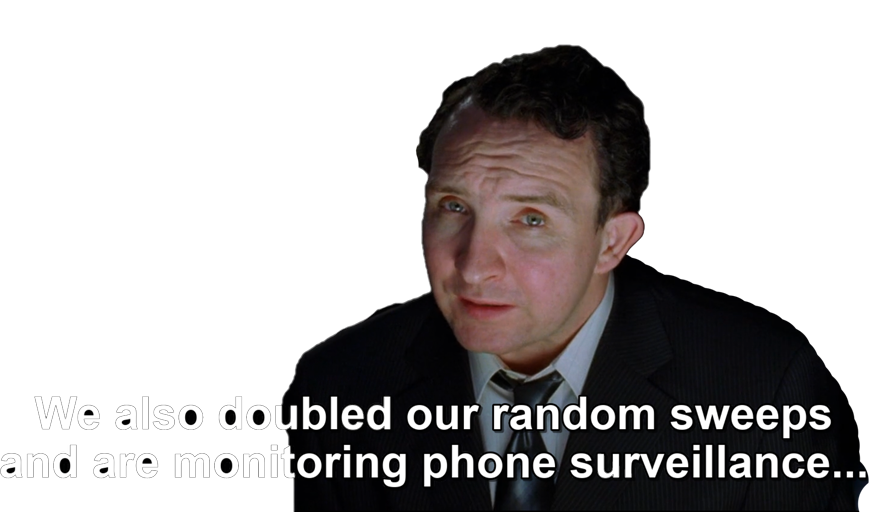
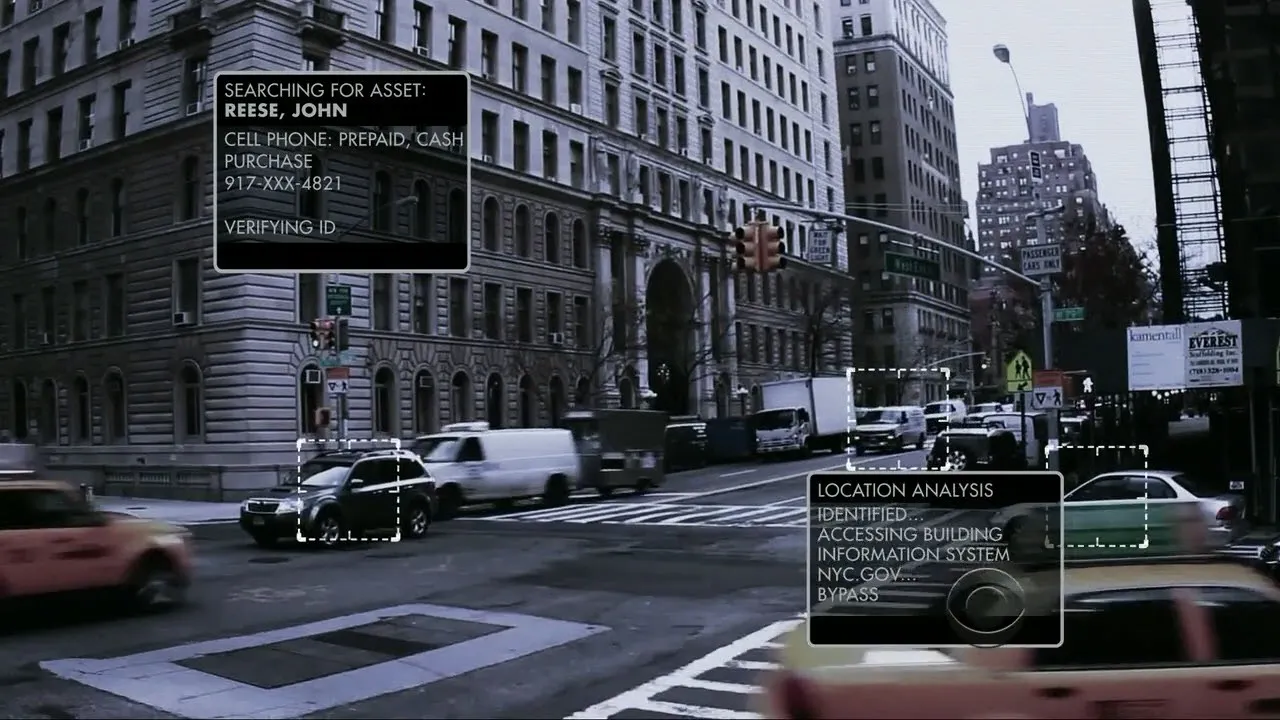
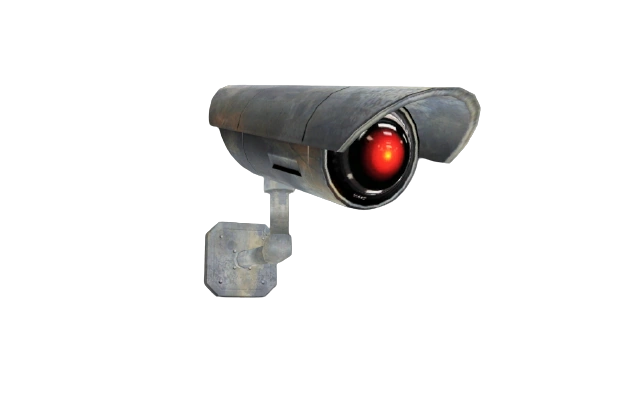
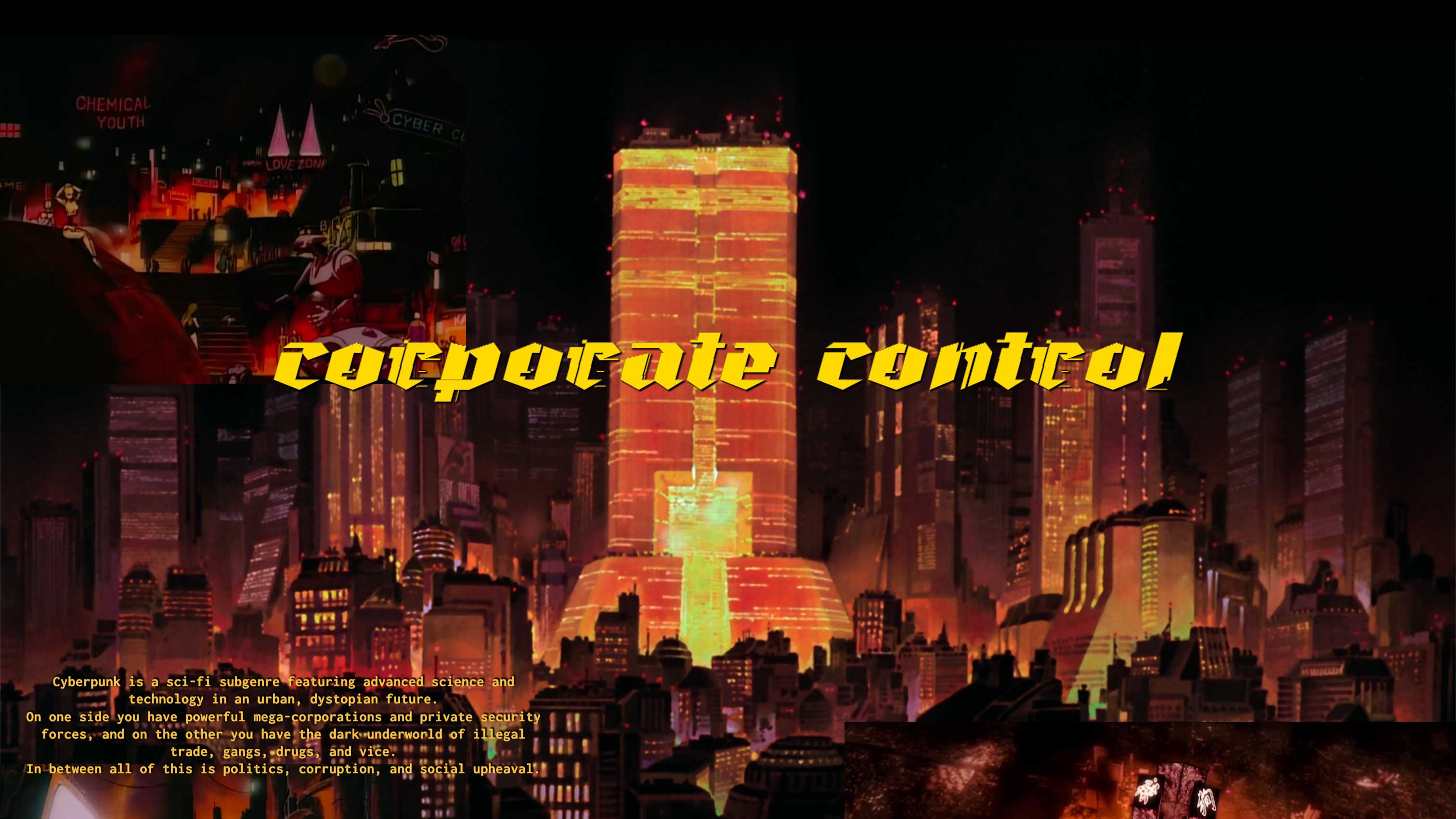
How government agencies conduct surveillance on smartphones Is Somebody Watching You? go to corpo & tech dystopia
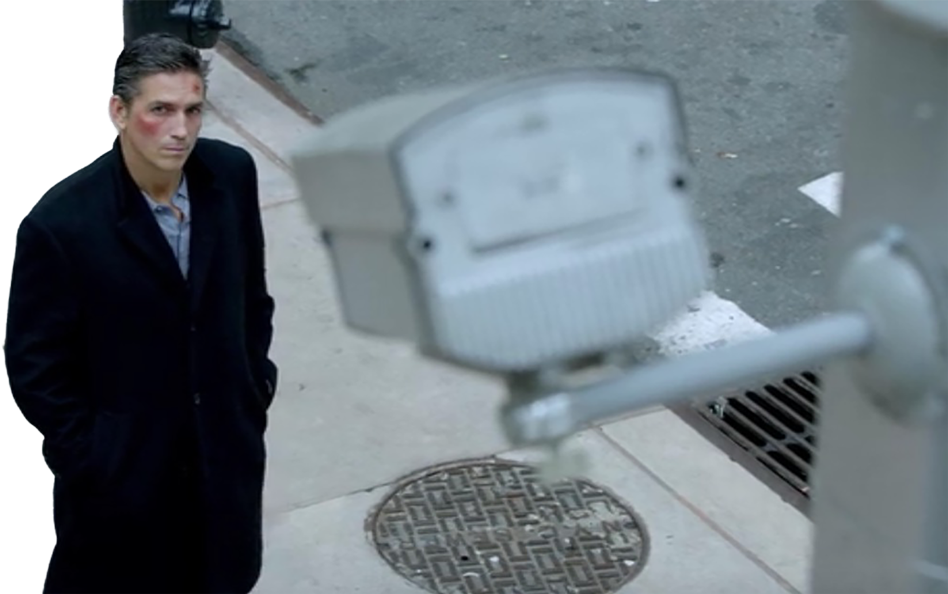
Amazon Rekognition Over the past decade and a half, we have entered a dystopian world, though few of us may realize the extent to which we are observed and controlled.
Amazon face recognition falsely matches 28 lawmakers with mugshots
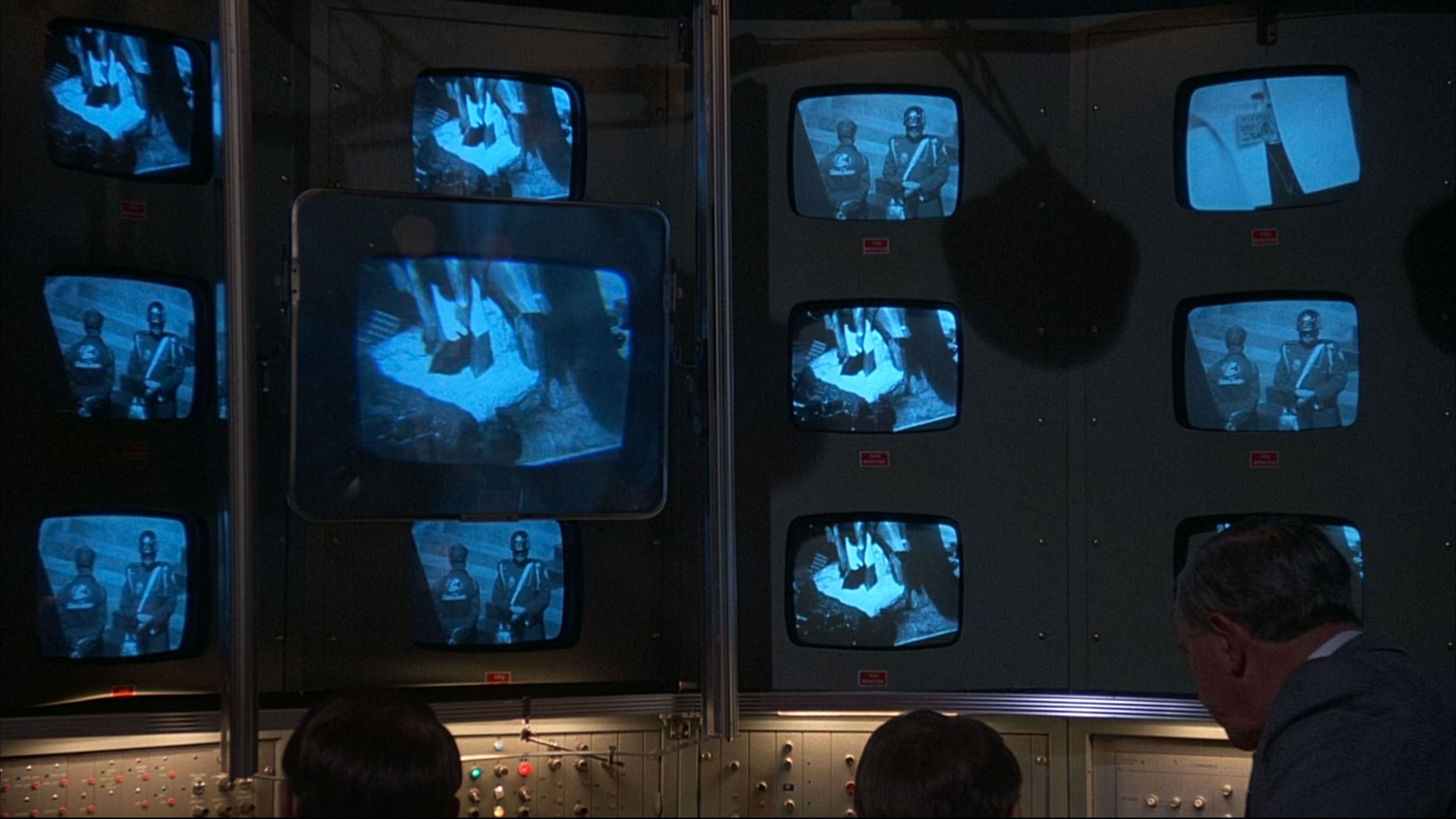
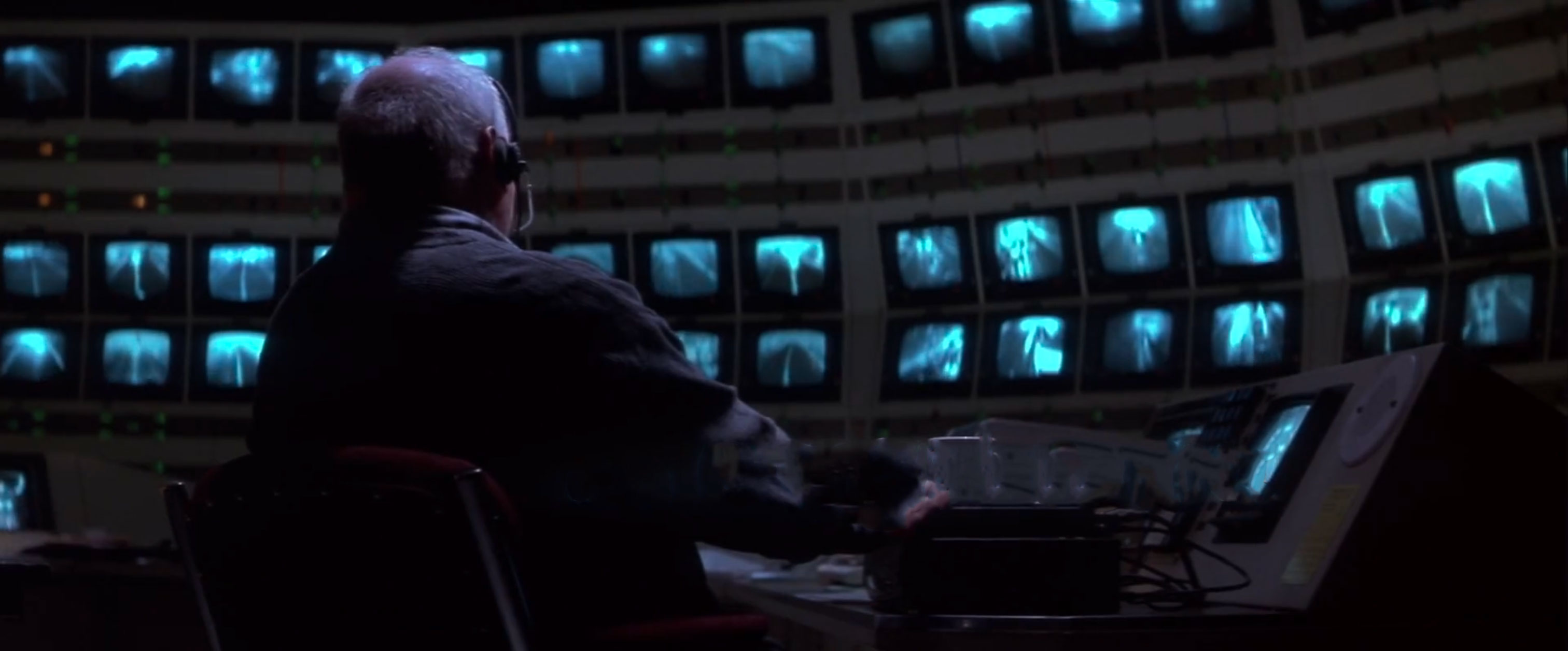
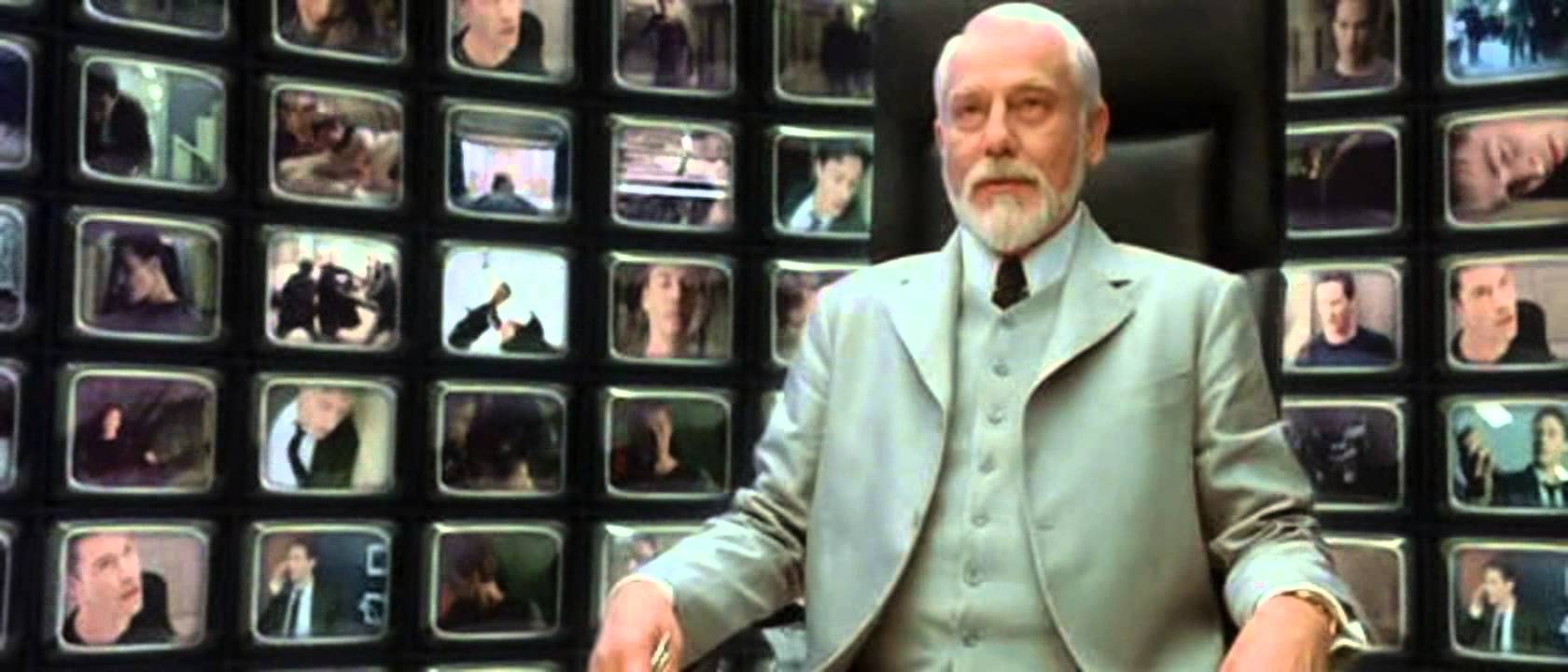
Telescreen
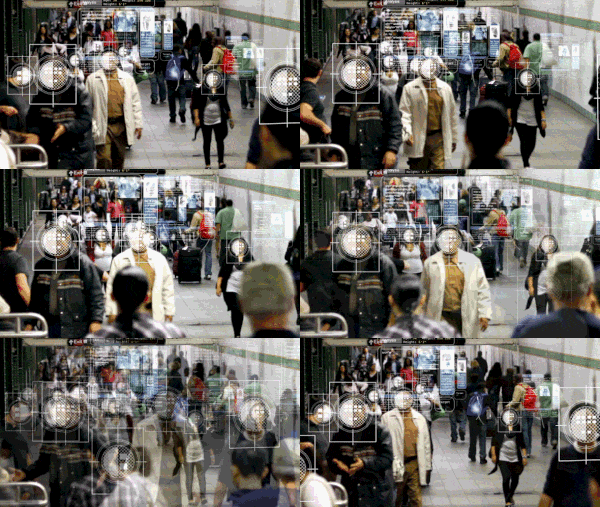
Types of AI Surveillance
... surveillance and political repression today is far more complex than in Orwell’s time, and far more technologically sophisticated.
For one thing, it is no longer just Big Brother that is watching you. Alongside governments, corporations like Facebook and Google also collect our data and use it to profile us, and we all collect data on each other every time we scroll our social media walls.
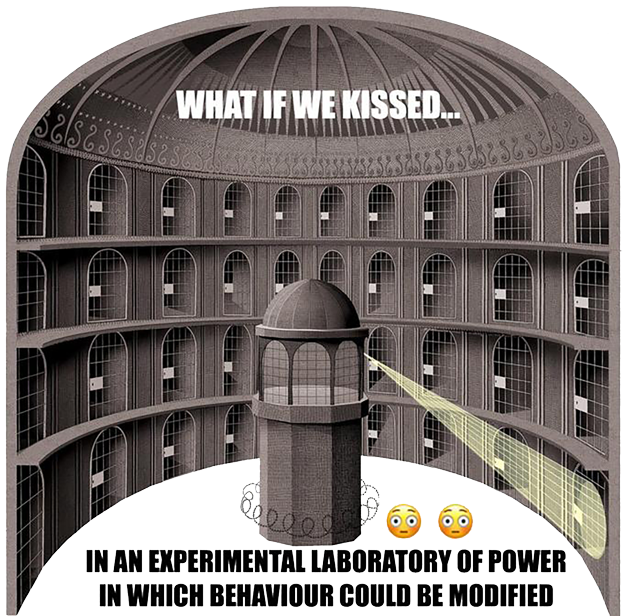
Panopticon - Know Your Meme ‍While sci-fi films prepared us well to imagine a world where facial recognition is used by a restrictive government to oppress the population, we also have to be prepared for the opposite possibility: that corporations are playing fast and loose with this technology, with a dangerous lack of regulation.
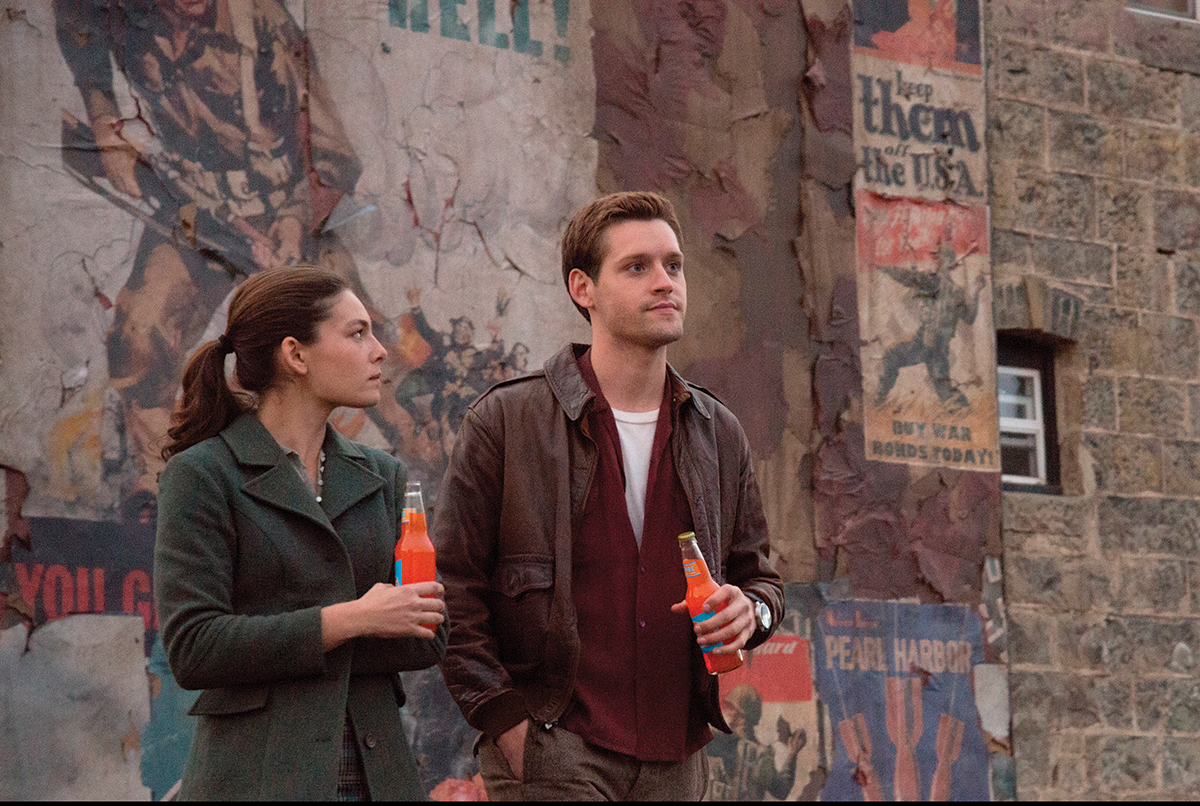
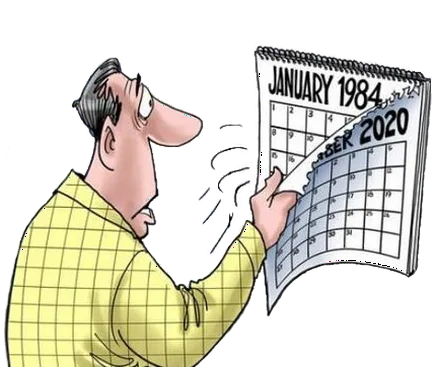
Fictional metaphors matter, and in the battle to safeguard our civil liberties few metaphors matter more than George Orwell’s 1984.
In Hollywood surveillance dystopia films, the lone rebel protagonist on the run from an oppressive government is almost always a straight white man. This is not particularly unusual or unexpected – most Hollywood studio executives are straight white men, and they tend to make movies about straight white men. But in addition to just being bad representation, films which only tell this kind of story perpetuate an unfortunate trend in surveillance studies of straight white men only caring about surveillance when they can see themselves as the victims of it.
... dystopian literature can “allo[w] white viewers to cosplay as the oppressed, without actually interrogating in any meaningful way what oppression might actually entail or who gets oppressed and why.”
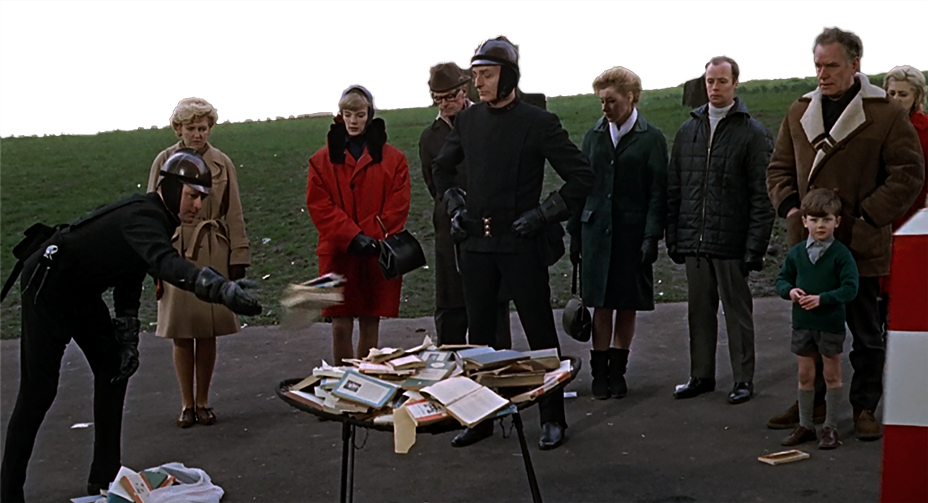
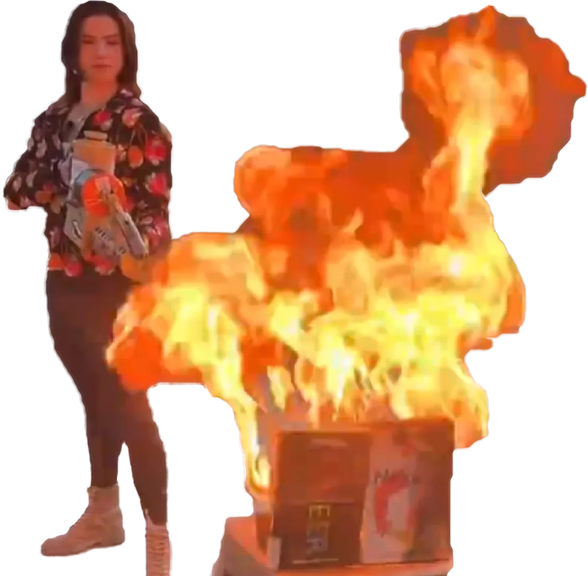
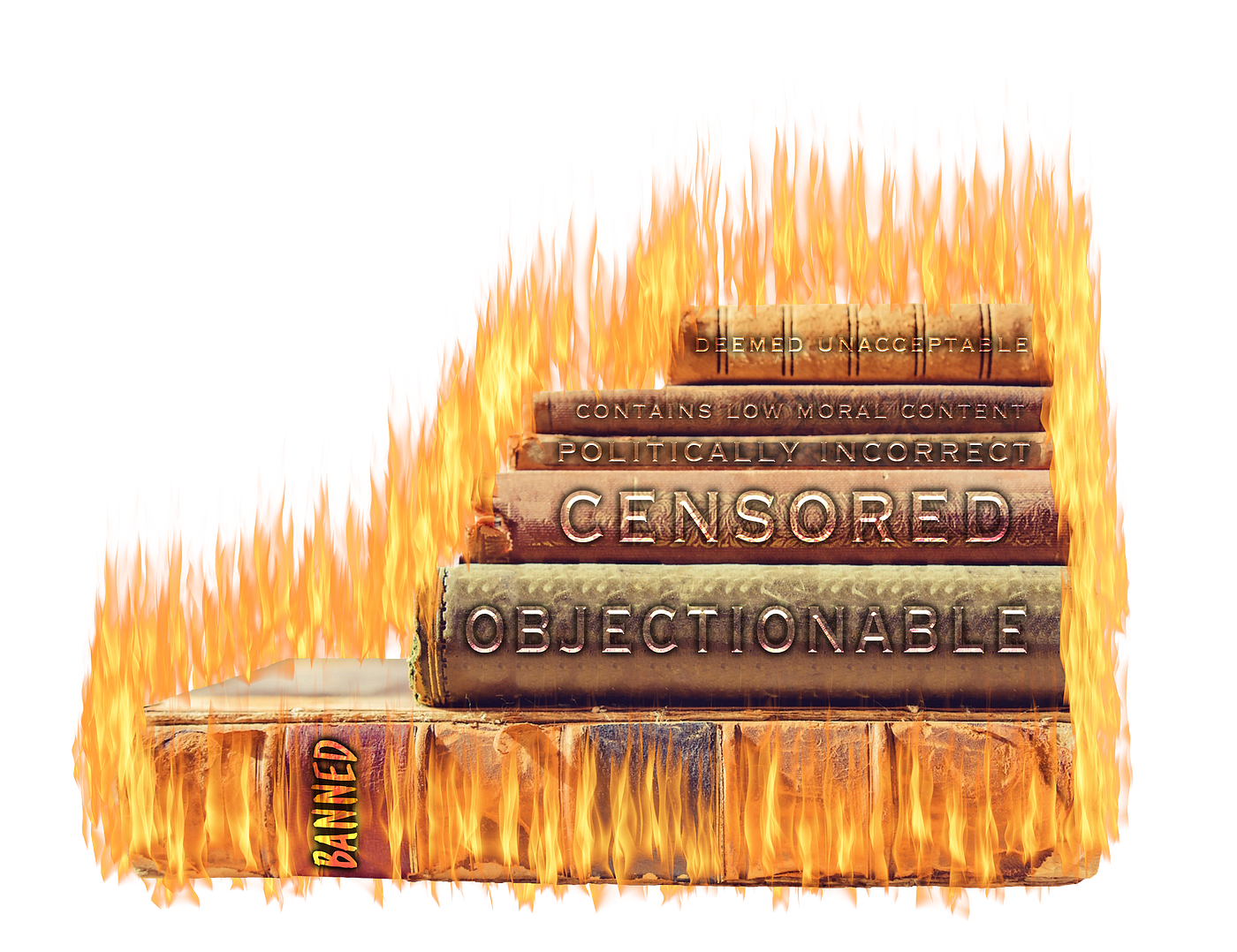
Usually carried out in a public context, the burning of books represents an element of censorship and usually proceeds from a cultural, religious, or political opposition to the materials in question. A Brief History of Book Burning, From the Printing Press to Internet Archives
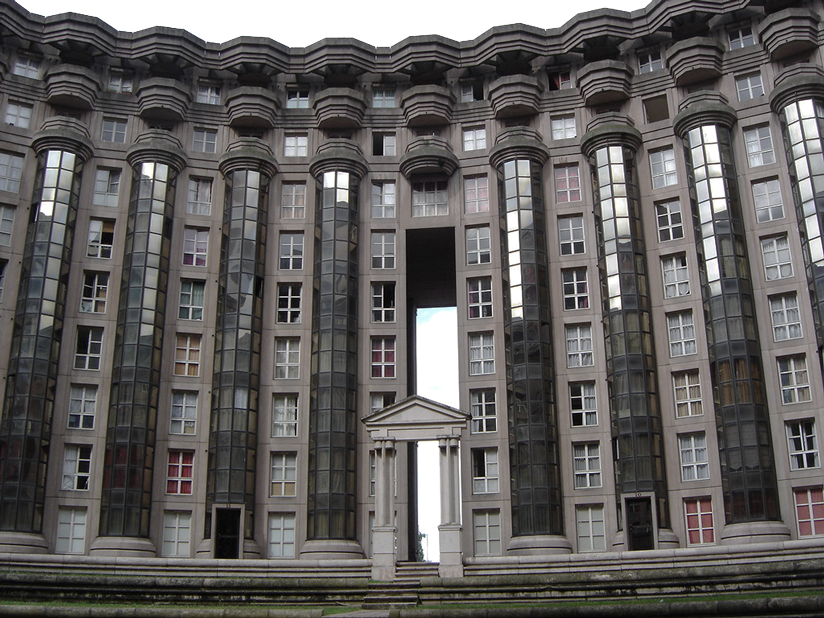
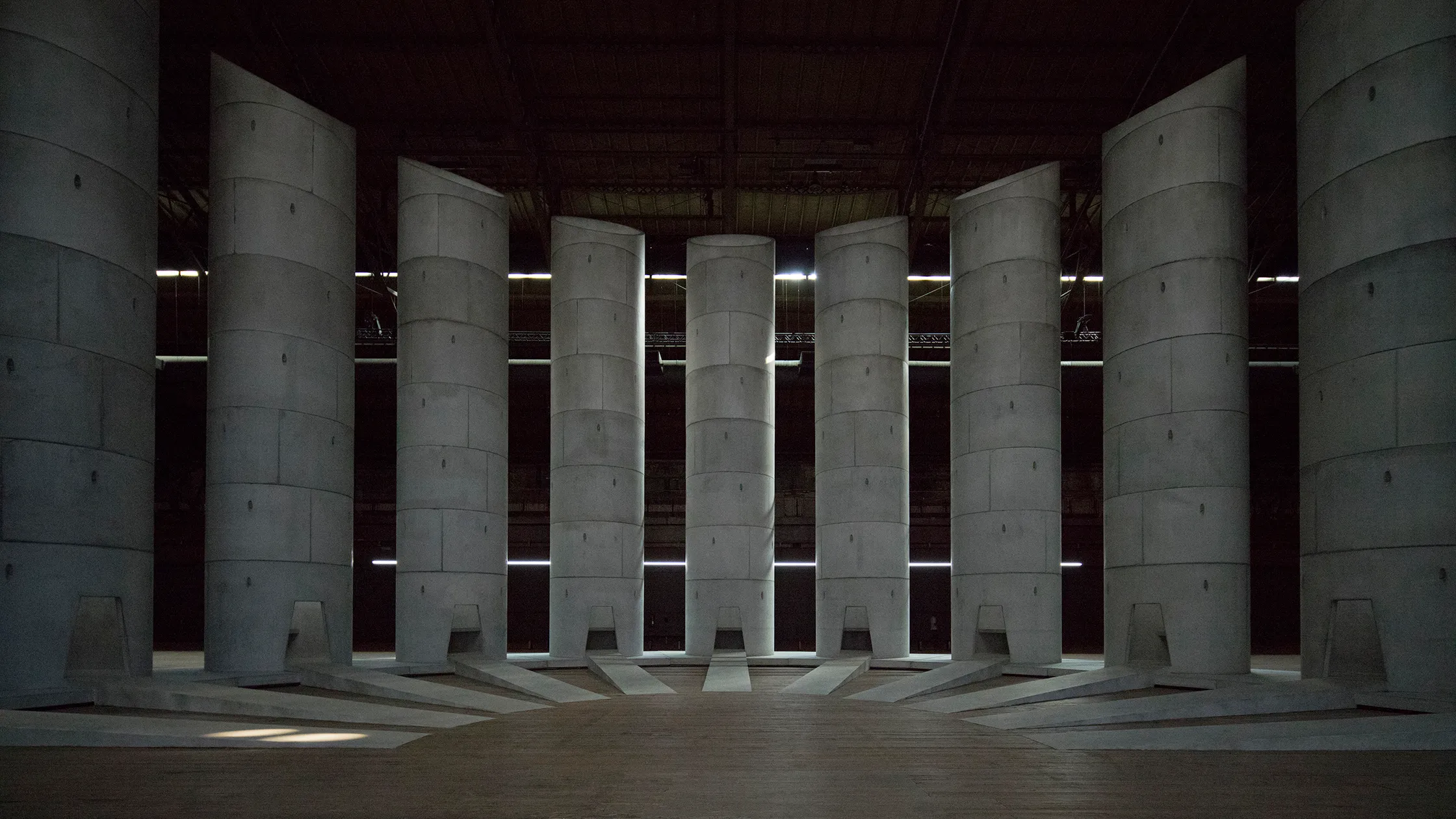
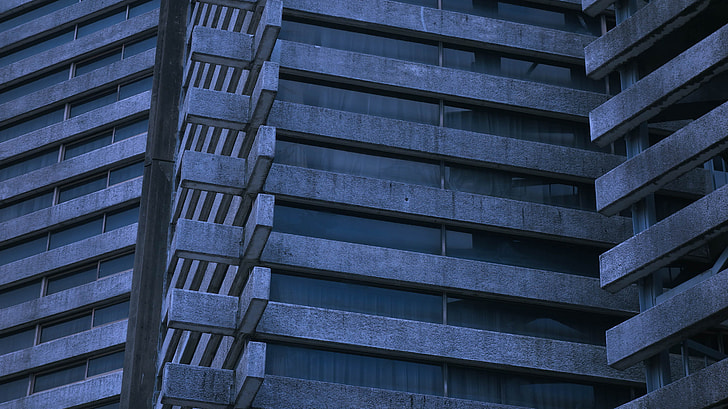
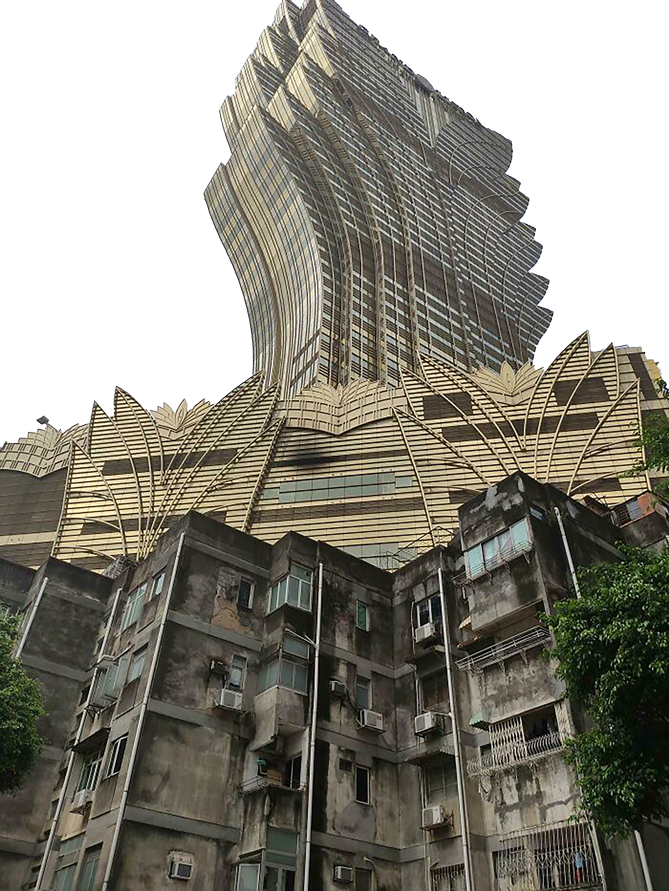
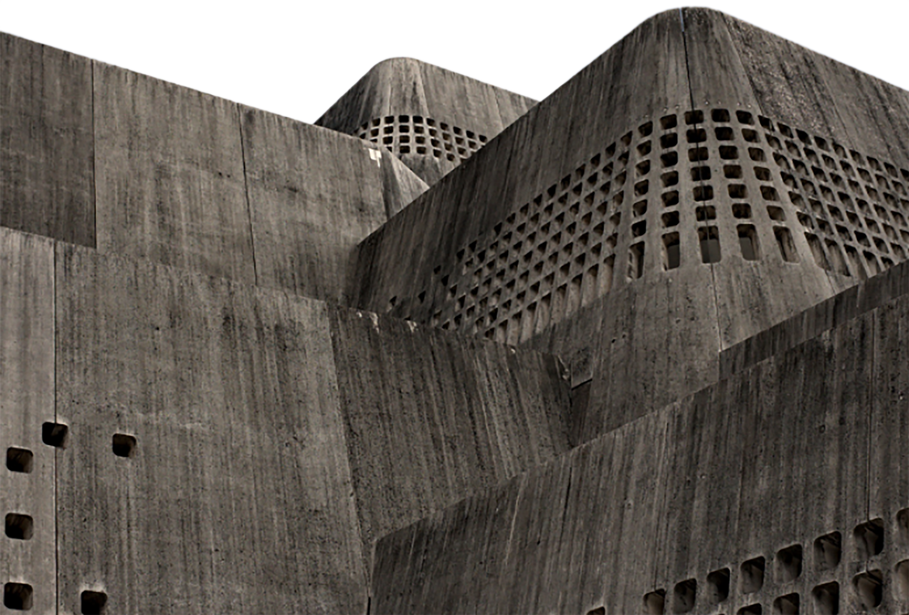
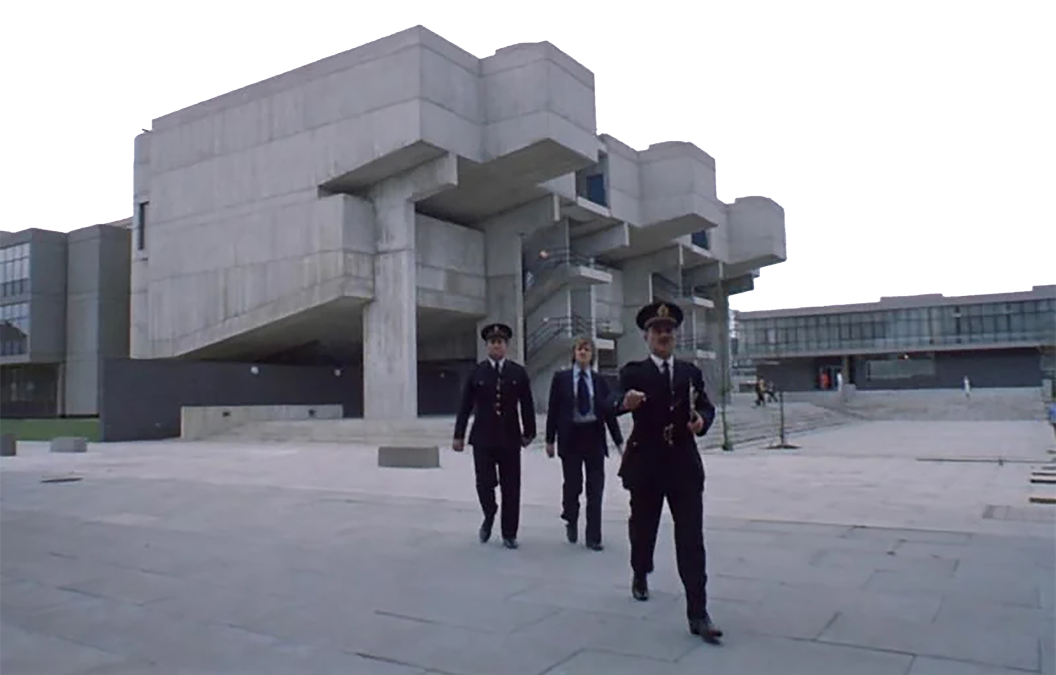
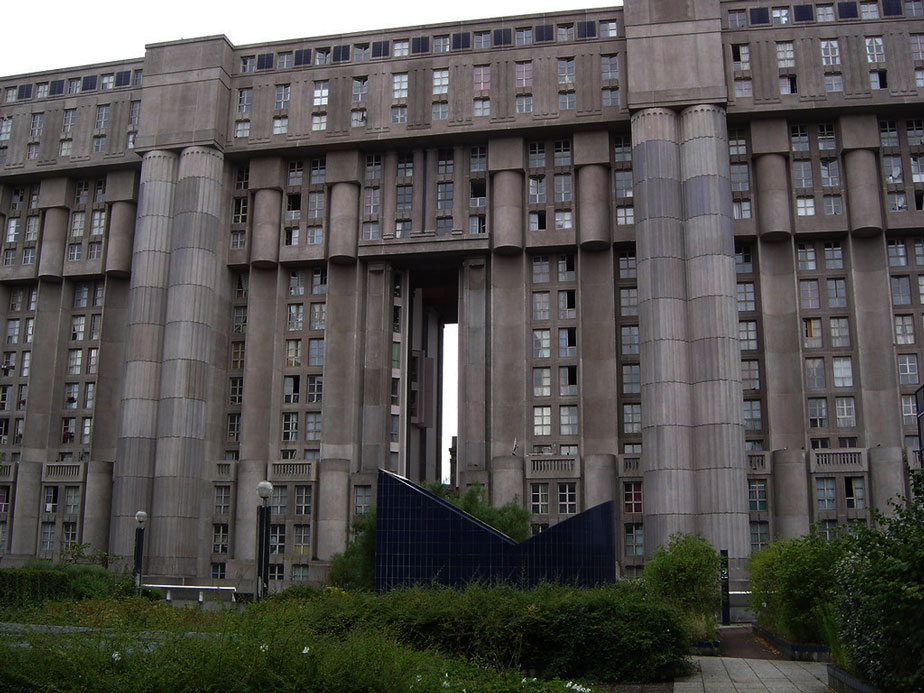
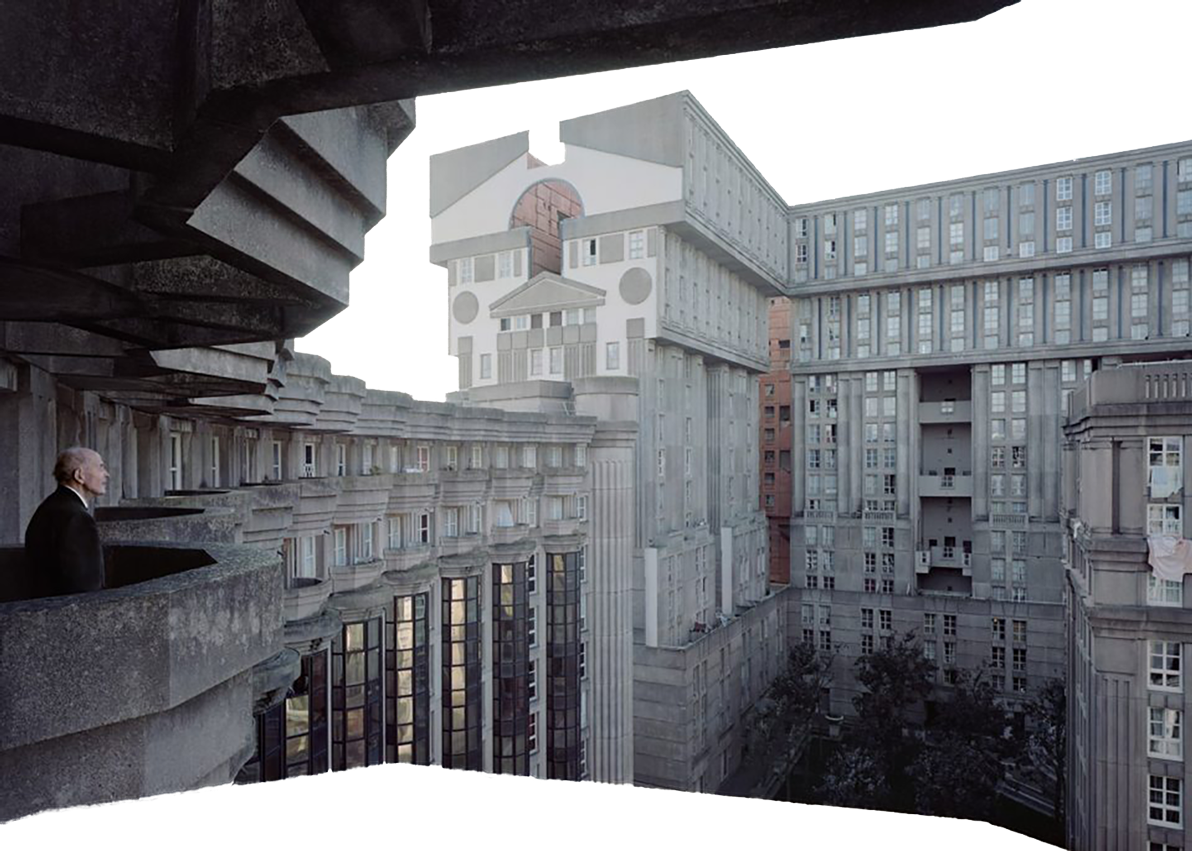
Why is Brutalist architecture often present in the genre?
Like, for example, how can an incredibly ridiculous (but evil) government survive for more than five minutes without
a functioning economy or large-scale military force?

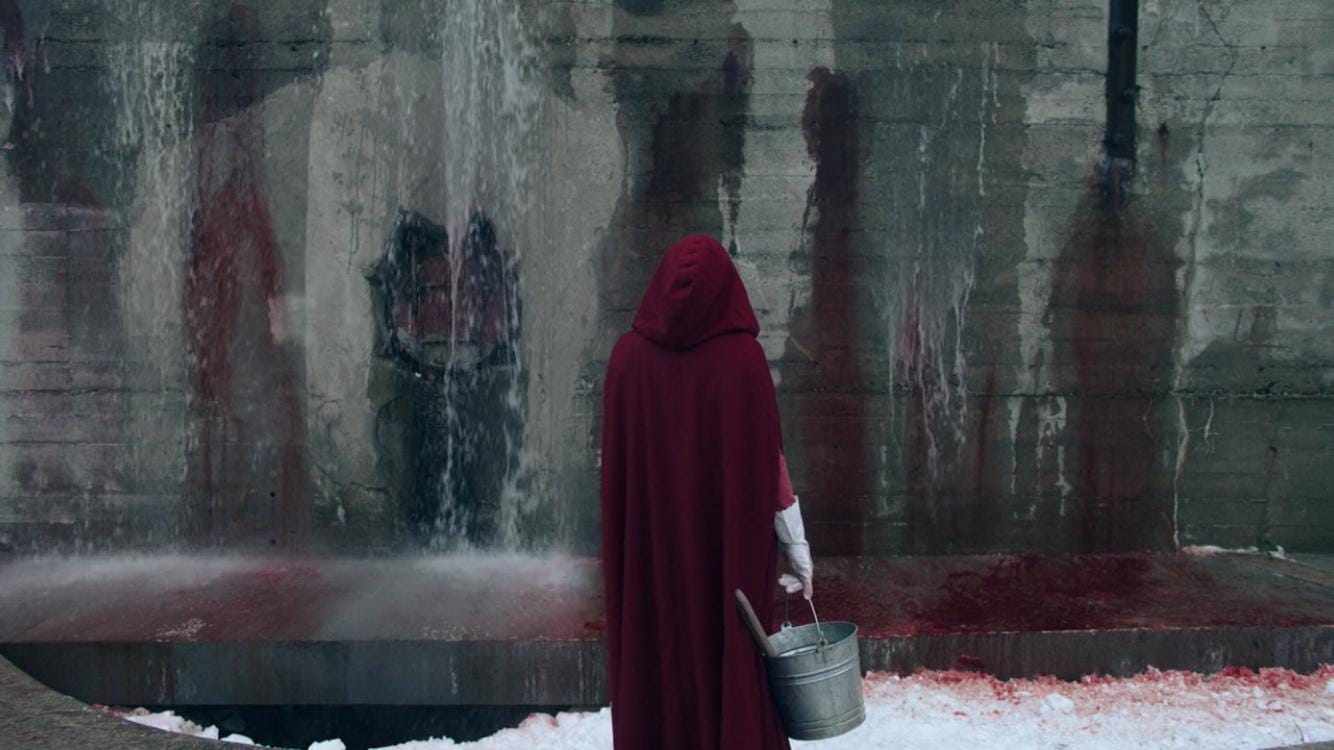
At least in her classic “bad future” novel The Handmaid’s Tale, Margaret Atwood heavily implies that the Republic of Gilead is both relatively new, and more or less unstable and doomed to failure. Many writers just beg for your suspension of disbelief. Not everyone goes the lazy route when imagining how a tyrannical government might actually make it work. Here are 5 examples of fictional (thank goodness) dystopian governments that seem plausibly likely to function, at least until a pesky heroic teenager leads a revolution.
... he can't remember a time when his country wasn't at war...
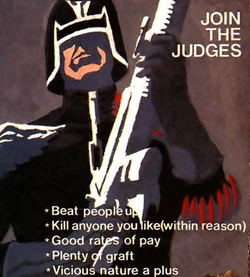
If Judge Dredd lived in Turkey Justice will be a commodity to be contracted out and eventually – like all privatised services, like all commodities – those who can afford it will have versions tailored to their needs. The Privatization of Policing
explore more:
enter